


Introduction
Not long ago, “seeing a doctor” meant a waiting room, a parking lot, and half a day off work for a fifteen-minute appointment. Telemedicine has quietly rewritten that equation for a huge share of everyday care. It’s not a replacement for every kind of medicine — you still need to be in the room for a broken bone or a surgery — but for a surprising amount of what actually sends people to a doctor’s office, a screen turns out to be enough. In this article, we’ll look at what telemedicine really covers, where it shines, and where it has real limits.
What Telemedicine Actually Covers
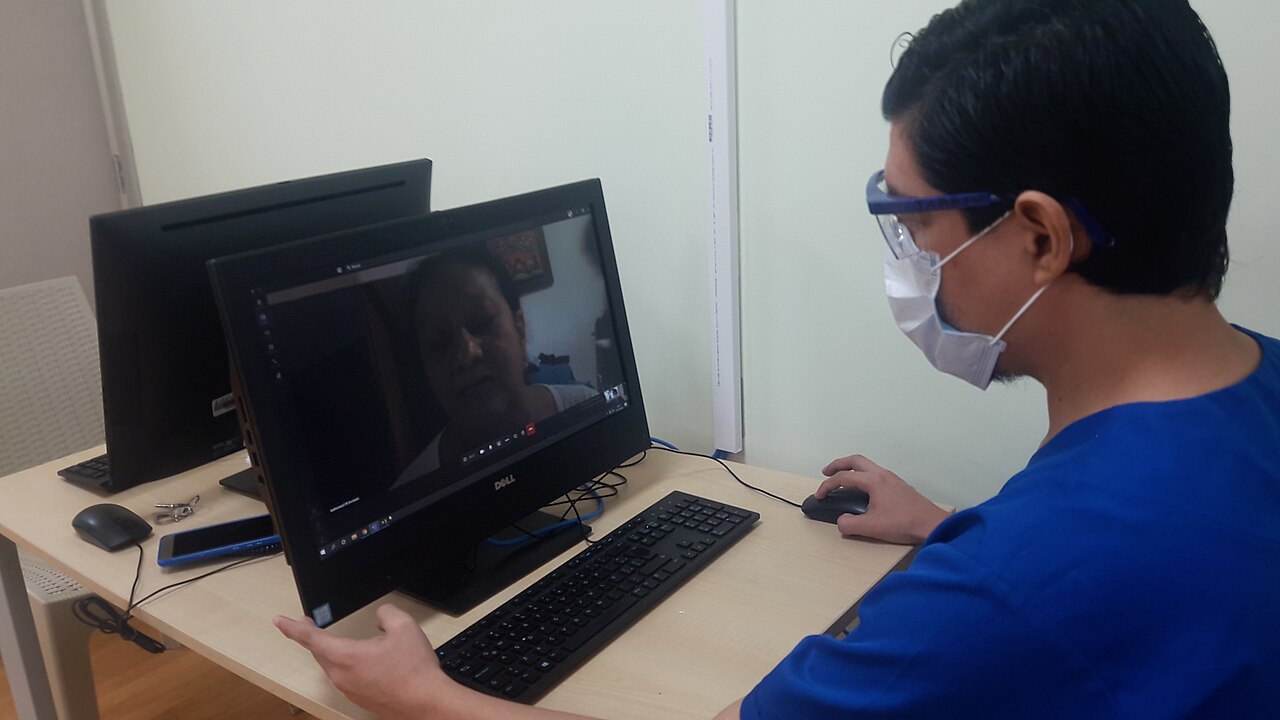
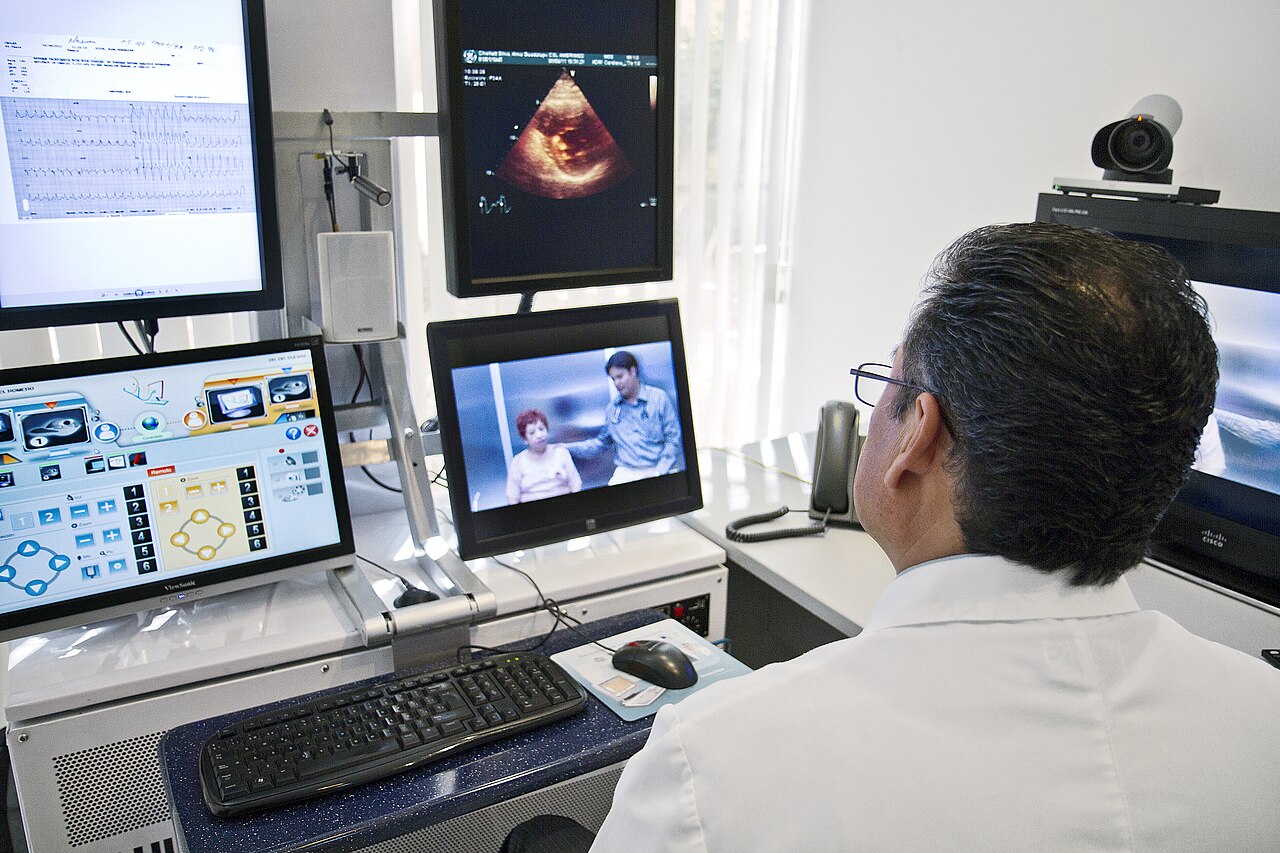
Telemedicine is a broad umbrella, not a single service. It includes live video consultations with a physician, secure messaging with a care team, remote monitoring of things like blood pressure or blood sugar, and even specialists reviewing scans or lab results from a completely different city — sometimes a different country. The common thread is that a screen and a network connection replace the need to be physically present for that particular interaction.
Where It Genuinely Shines
Follow-Up Care
A lot of appointments exist just to check in — did the medication work, are symptoms improving, is a wound healing correctly. These conversations often don’t require a physical exam at all, and video handles them just as well as an in-person visit would.
Rural and Underserved Areas
For people who live hours from the nearest specialist, telemedicine can be the difference between getting care and going without it. A cardiologist or dermatologist doesn’t need to be in the same building — or the same region — to review a case properly.
Mental Health Support
Therapy and psychiatric follow-ups translate especially well to video. For many people, being able to talk to a therapist from home actually lowers the barrier to seeking help in the first place.
Where It Has Real Limits
Telemedicine can’t listen to your heart, take your blood pressure directly, or feel for something unusual during a physical exam — though connected devices are slowly closing that gap. Emergencies, anything requiring imaging or lab work done on the spot, and conditions that need hands-on examination still call for an in-person visit. The honest way to think about it: telemedicine is a powerful first filter and a great tool for ongoing care, not a full substitute for a doctor’s hands.
Getting the Most Out of a Virtual Visit
- Test your camera and microphone beforehand. A few minutes of setup avoids losing appointment time to technical issues.
- Write down your symptoms and questions in advance. Without the natural cues of an in-person visit, it’s easy to forget something you meant to mention.
- Find good lighting and a quiet spot. If your doctor needs to see something visually, a well-lit room makes a real difference.
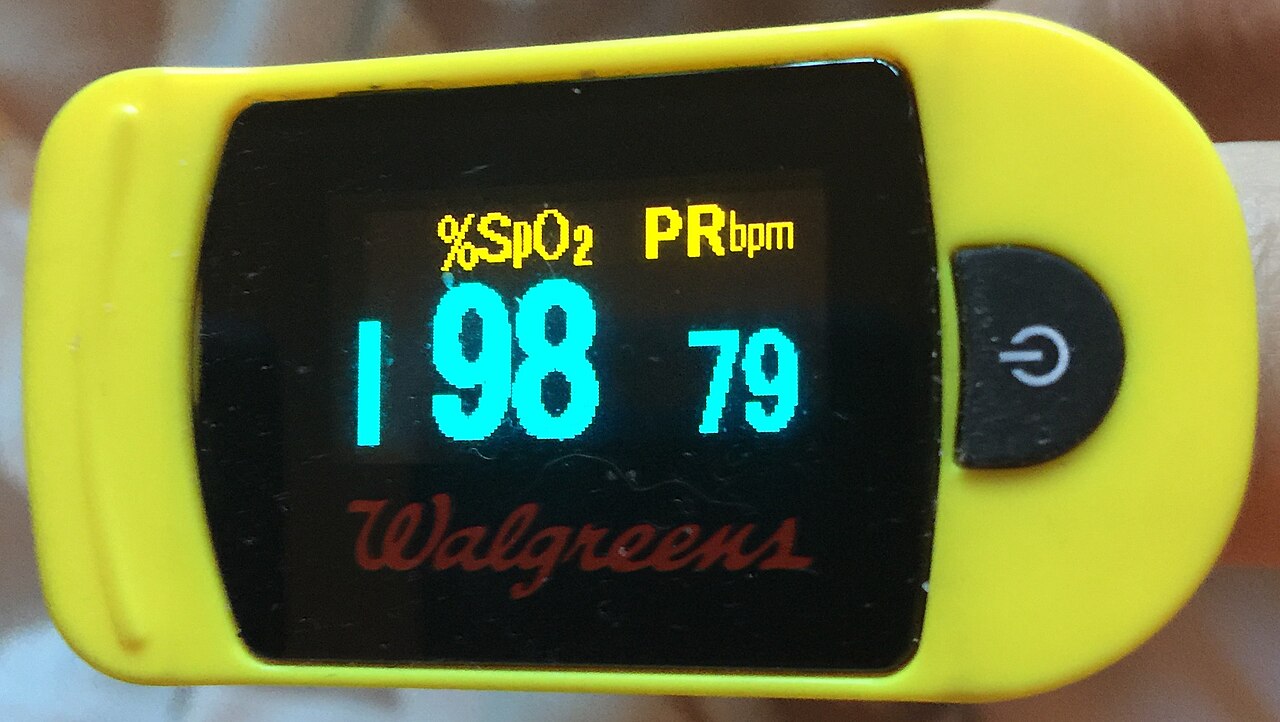
- Have your medication list and recent readings handy. Blood pressure logs, glucose readings, or a list of current prescriptions save time and improve accuracy.
The Bottom Line
Telemedicine isn’t the future of healthcare so much as it’s already a normal part of the present — a genuinely useful option for the large share of medical needs that don’t require a physical exam. Knowing when a video visit is enough, and when it isn’t, is the real skill worth building.
ESPADMAG – A Place to: Mindset Achieve Greatness!
Photo credits: Ceibos (CC BY-SA 4.0); Ceibos (CC BY-SA 4.0); USDAgov (Public domain); Chic Bee (CC BY 2.0) — via Wikimedia Commons.
