


Introduction
Advertising is the part of marketing everyone actually notices — the billboard on the highway, the ad before a video, the poster on a bus stop. It’s a paid, public message designed to make a specific audience aware of a product and persuade them to want it. The format has changed dramatically over more than a century, but the underlying job — capture attention, then convert it into desire — has stayed exactly the same. In this article, we’ll look at how advertising evolved, the psychology behind why it works, and what separates advertising that’s actually effective from advertising that’s just noise.
A Format That Keeps Reinventing Itself
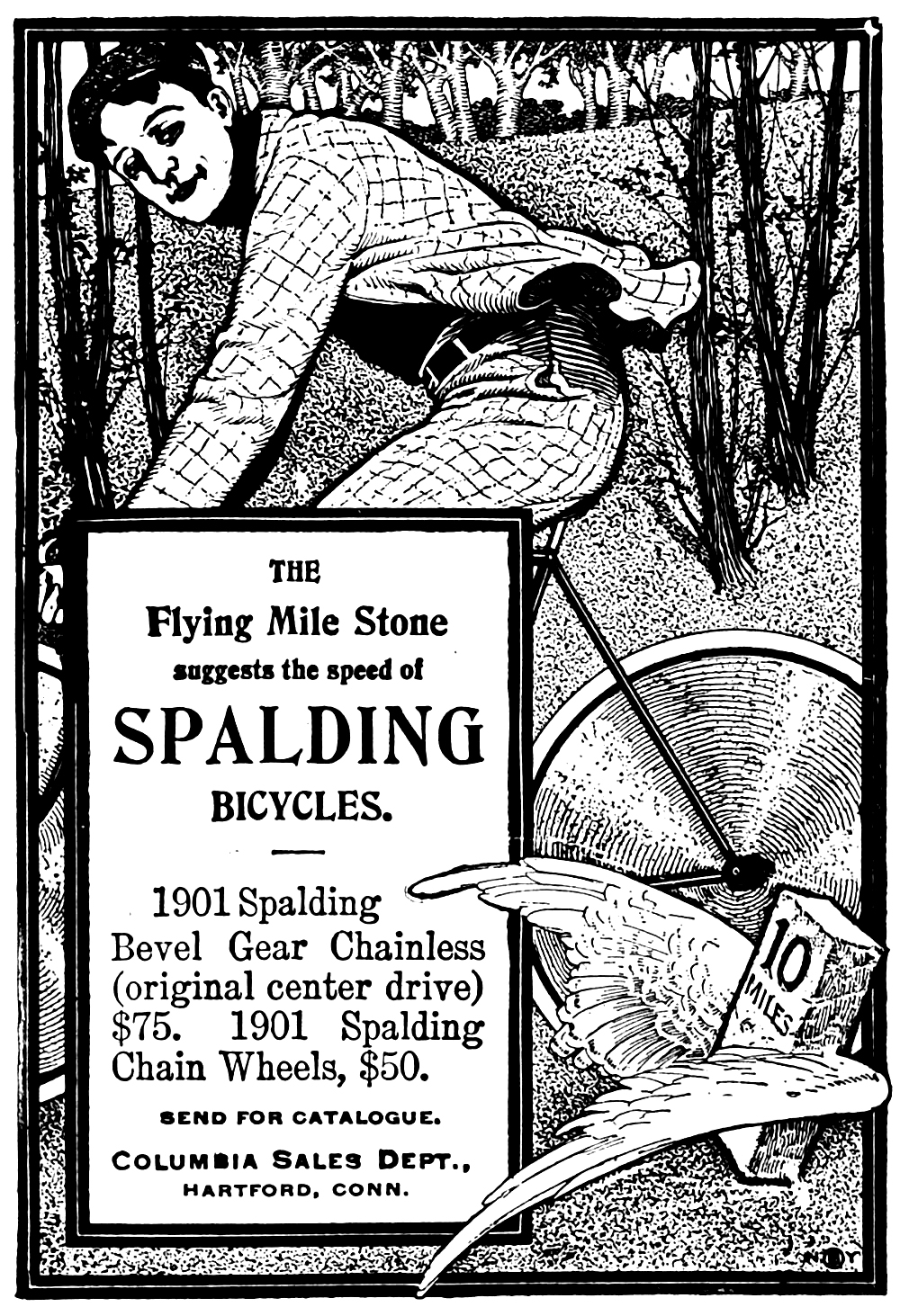
Print ads dominated for most of advertising’s early history — full-page illustrations, catchy slogans, and detailed copy meant to be read slowly. Radio and television added sound and motion, turning ads into tiny stories. Then digital advertising arrived and changed the fundamental unit: instead of one message shown to everyone, ads could be targeted, tested, and adjusted in real time based on who was actually looking. Each format didn’t so much replace the last one as add a new tool to the advertiser’s kit.
The Psychology Behind Why Ads Work
Effective advertising rarely relies on facts alone. It uses repetition to build familiarity, association to link a product with a feeling people already want, and social proof — showing that other people already use and trust it — to lower the perceived risk of trying something new. Celebrity endorsements, testimonials, and “as seen on” claims all lean on this same basic instinct: we trust things that other people, especially people we admire, already trust.
What Separates Good Advertising From Noise
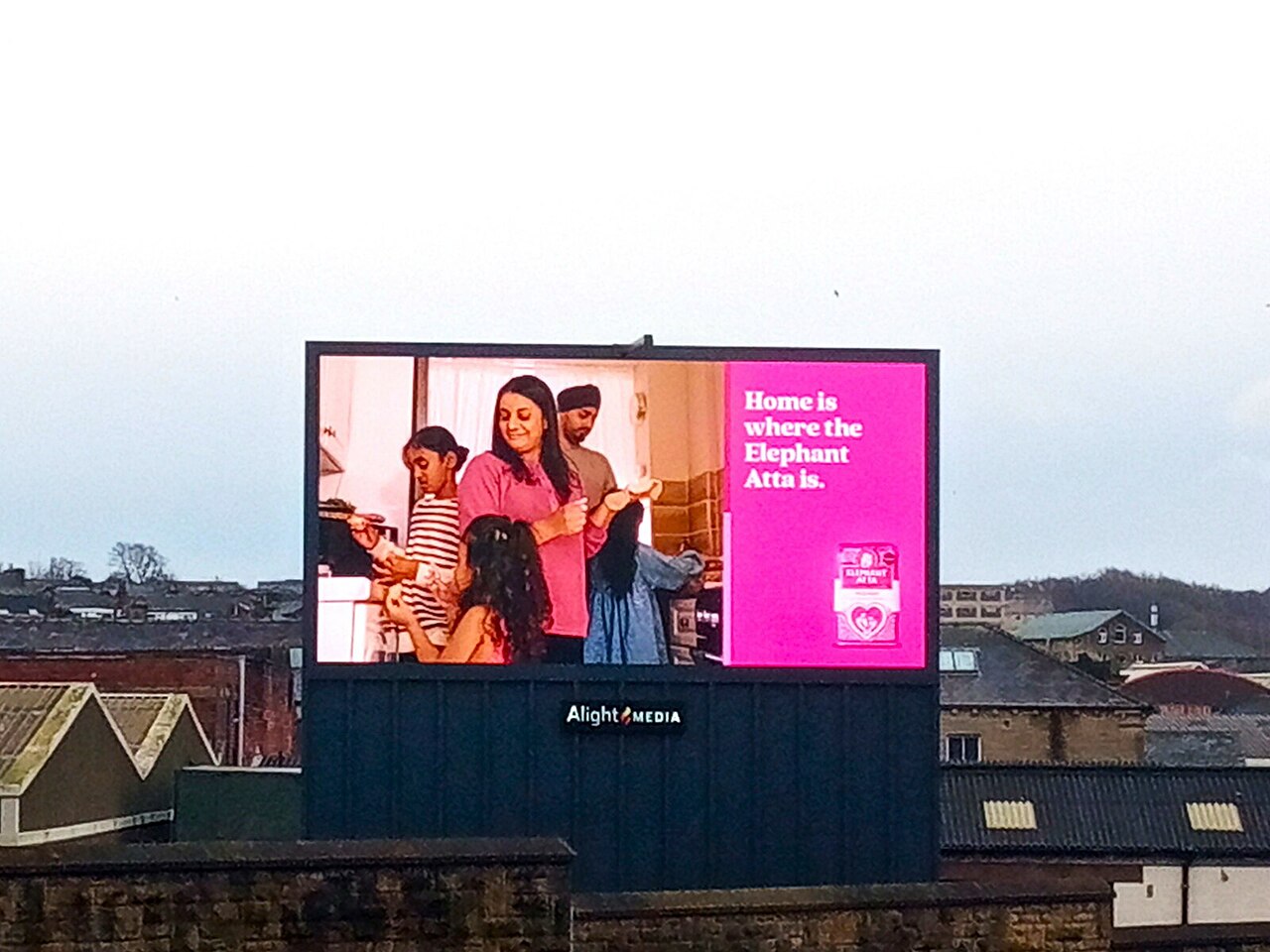
Most people encounter thousands of ads a day and remember almost none of them. The ones that break through usually share a few traits: they’re relevant to something the viewer already cares about, they say one clear thing instead of ten muddled ones, and they show up in a context that doesn’t feel intrusive. An ad that interrupts something a person is actively enjoying tends to build resentment rather than interest, no matter how clever the message is.
A Classic Example Worth Studying

This 1953 razor ad is a textbook case of the techniques above at work: a famous, trusted face directly endorsing the product, a specific and easy-to-understand bonus offer, and bright, impossible-to-ignore visuals. More than seventy years later, the exact same structure — a trusted face, a clear offer, an eye-catching design — still shows up in ads everywhere, just with different faces and different products.
The Bottom Line
Advertising’s tools keep changing — from woodcut illustrations to programmatic digital targeting — but its actual job hasn’t. It’s still about earning a moment of someone’s attention and using it well enough that they remember what you had to offer. The formats will keep evolving; the psychology behind what actually works has stayed remarkably consistent.
ESPADMAG – A Place to: Mindset Achieve Greatness!
Photo credits: 1901 advertisement (Public domain); Stephen Armstrong (CC BY-SA 2.0); American Safety Razor Co. (Public domain); Andre Carrotflower (CC BY-SA 4.0) — via Wikimedia Commons.
