


Introduction
A compensation plan is the document that answers the single most important question in any sales-based business: exactly how, and how much, does a person actually get paid? In direct selling and network marketing especially, compensation plans can look intimidatingly complex, full of tiers, percentages, and titles. But underneath the complexity, every plan is really just answering a handful of basic questions about where the money comes from and how it moves. In this article, we’ll break down what a compensation plan actually contains, the common structures used across industries, and how to read one honestly before signing anything.

What a Compensation Plan Actually Defines
At its core, a compensation plan spells out: what percentage of a sale a representative keeps, whether there are bonuses for hitting certain sales targets, whether earnings from recruited team members flow upward, and what rank or title changes are required to unlock higher payout percentages. It’s essentially the rulebook for how income is calculated — and like any rulebook, the details matter far more than the summary.
Common Structures You’ll Encounter
Straight Commission
The simplest structure: a fixed percentage of whatever you personally sell, with nothing tied to recruiting or team performance. It’s easy to understand and easy to calculate.
Tiered or Rank-Based Plans
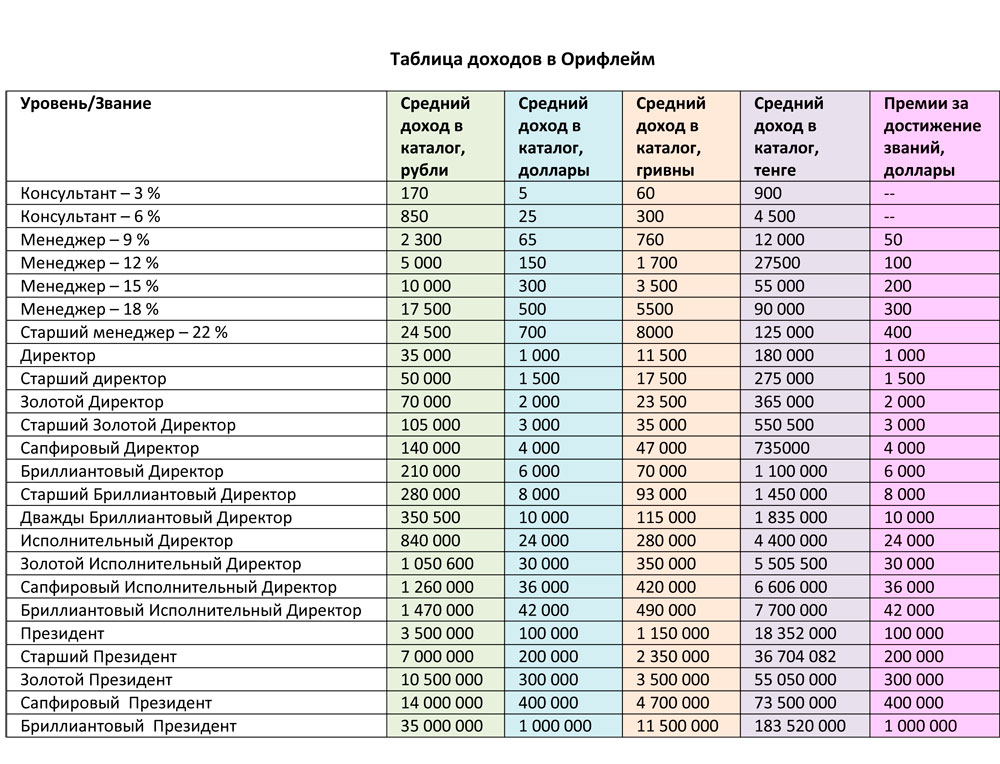
Payout percentages increase as a representative hits higher sales volumes or recruits more people, often with formal titles attached to each level. These plans reward growth but can also make the difference between two nearby ranks feel dramatic.
Residual or Multi-Level Plans
A portion of earnings comes from the sales of people you’ve recruited, sometimes across multiple levels below you. This is where compensation plans get genuinely complicated, and where reading the fine print matters most.
How to Read One Honestly

- Look for the realistic average, not the top example. Marketing materials tend to showcase top earners; the median representative’s actual results tell a very different story.
- Check for minimum purchase or “qualifying” requirements. Some plans require ongoing personal purchases just to remain eligible for payouts — factor that cost in.
- Understand what happens if you stop actively selling. Some plans keep paying on past team-building; many don’t, and income stops the moment activity does.
- Ask what percentage of total company payout goes to the top 1% of earners. This single number, when disclosed, tells you more about realistic expectations than almost anything else in the plan.
The Bottom Line
A compensation plan is, at heart, a math problem dressed up in titles and percentages. Reading it slowly, asking for real numbers instead of best-case examples, and understanding exactly where your effort translates into income is the single most useful thing you can do before joining any sales-based opportunity.
ESPADMAG – A Place to: Mindset Achieve Greatness!
Photo credits: Andrew Magill (CC BY 2.0); Автор сайта (CC BY-SA 4.0); Blogtrepreneur (CC BY 2.0); 401(K) 2012 (CC BY-SA 2.0) — via Wikimedia Commons.
