


Introduction
Blockchain gets talked about constantly, usually tangled up with cryptocurrency prices, but the underlying idea is much simpler and older than it sounds: it’s a way of keeping a shared record that many people can trust without needing a single central authority to vouch for it. That one idea has spawned currencies, entirely new financial systems, digital ownership models, and a fair amount of genuine confusion. In this article, we’ll break down what a blockchain actually is, how it earns trust without a middleman, and where the technology is genuinely useful versus overhyped.
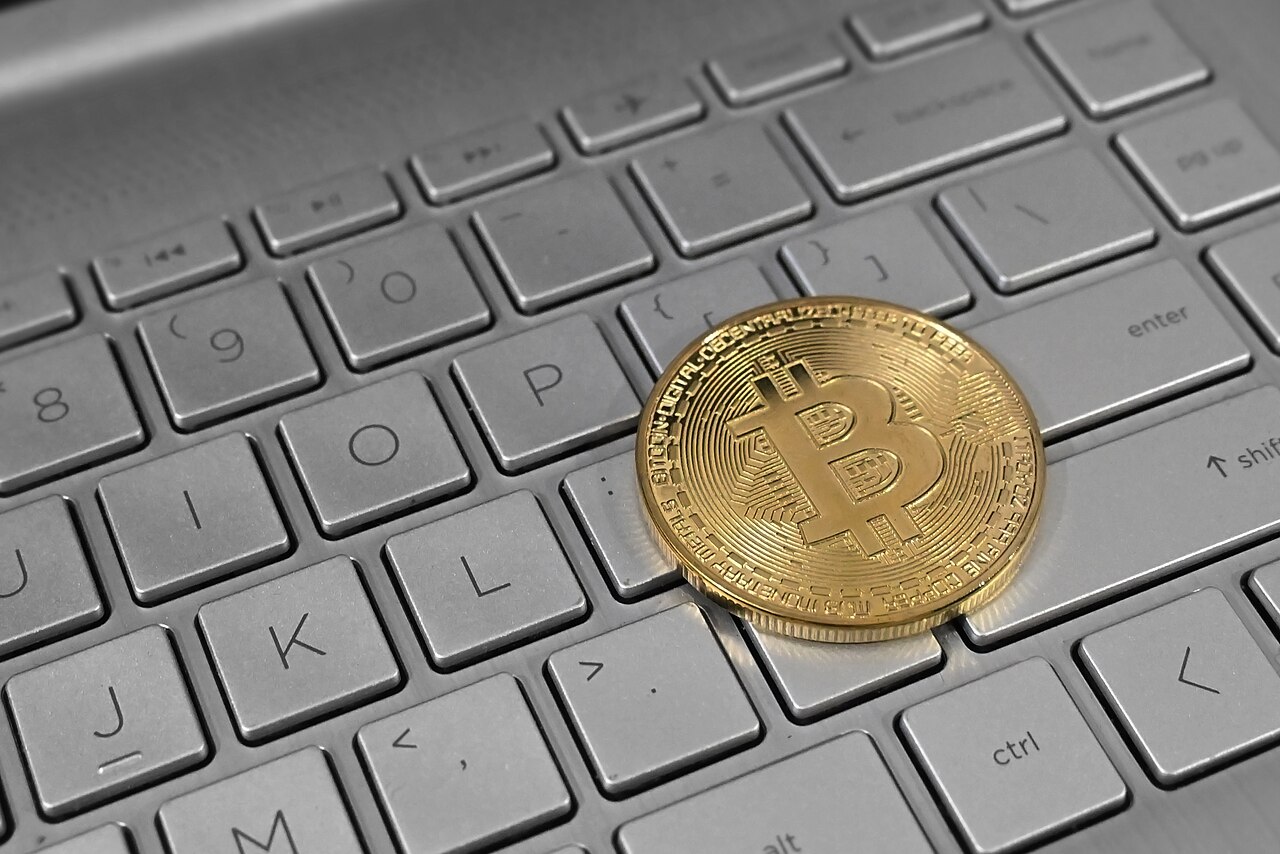
What a Blockchain Actually Is
Strip away the jargon, and a blockchain is a growing list of records — called blocks — linked together in order and stored across many computers at once, rather than on one central server. Each new block references the one before it, so altering an old record would require rewriting every block after it, on every copy, simultaneously. That structural stubbornness is what makes blockchain data so difficult to quietly tamper with.
Trust Without a Middleman
Traditionally, we trust records because a bank, a government registry, or some other central authority vouches for them. Blockchain replaces that single point of trust with a network of participants who all verify transactions using shared rules, and who all keep a copy of the same ledger. No one party controls it, and no one party needs to be trusted blindly — the system’s honesty comes from math and distributed agreement rather than reputation.
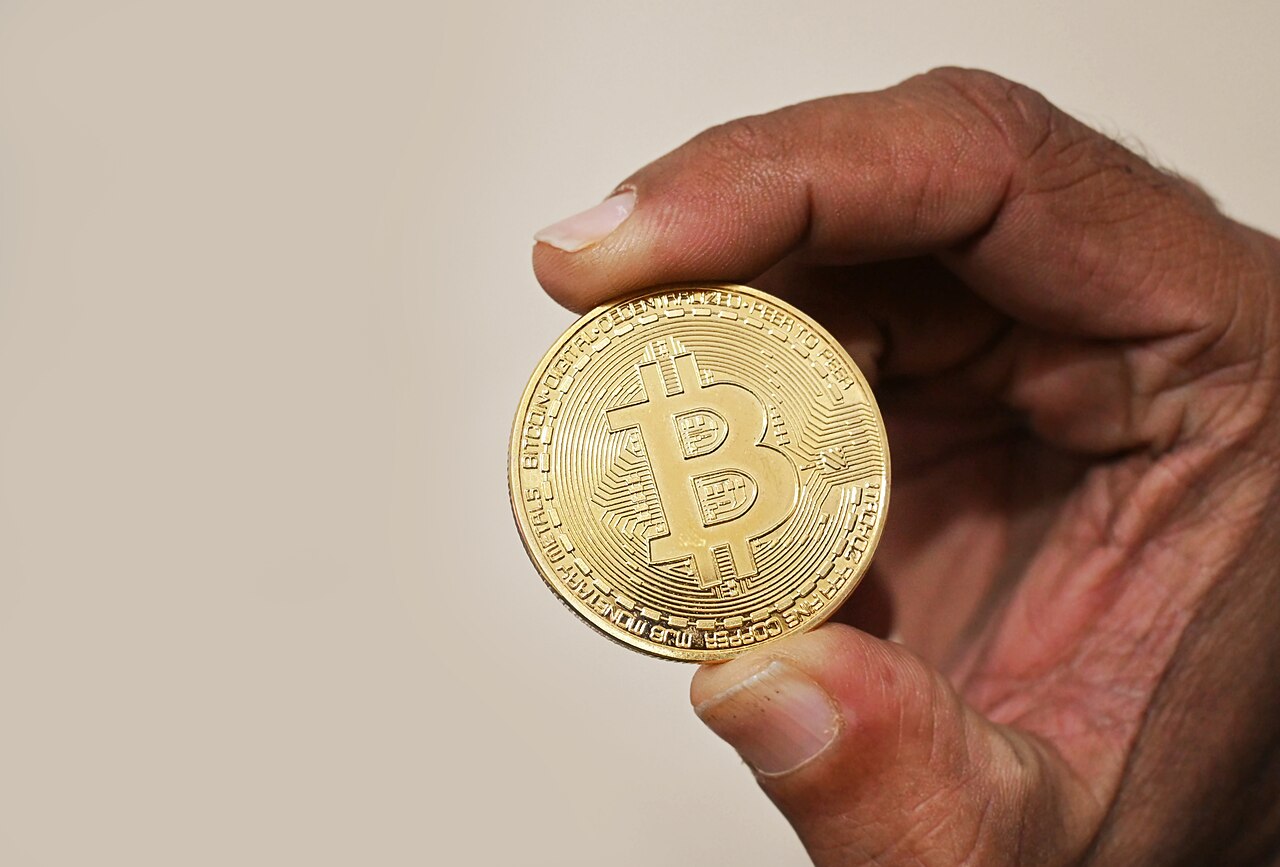
Beyond Cryptocurrency
Cryptocurrency was blockchain’s first major application, but far from its only one. The same underlying idea now supports digital ownership records, supply chain tracking that lets you verify where a product actually came from, and financial applications that operate without a traditional bank in the middle. Whether each of these use cases genuinely needs a blockchain — rather than just a well-run database — is a real and ongoing debate worth taking seriously.
Blockchain Showing Up in Everyday Life
Cryptocurrency ATMs like this one are a visible sign of how far blockchain-based currency has moved from a niche experiment into ordinary commerce — sitting next to a regular bank ATM in a store, letting anyone convert cash into Bitcoin, Ethereum, or Litecoin in a couple of minutes. Whatever you think of the technology’s long-term future, its presence in everyday spaces like this one is no longer hypothetical.
The Bottom Line
Blockchain isn’t magic, and it isn’t a solution for every problem that involves data — but it solves a genuinely hard problem (trustworthy shared records without a central authority) in a genuinely clever way. Understanding that core idea makes every specific application — coins, tokens, decentralized finance, NFTs — much easier to evaluate on its own merits rather than on hype.
ESPADMAG – A Place to: Mindset Achieve Greatness!
Photo credits: Satheesh Sankaran (CC BY 2.0); Satheesh Sankaran (CC BY 2.0); Wrosenb2 (CC BY-SA 4.0); Carl Lender (CC BY 2.0) — via Wikimedia Commons.
