


Introduction
An exchange, in the broadest sense, is simply a place — physical or digital — where people trade one thing for another at an agreed price. Currency booths, stock markets, and cryptocurrency platforms are all doing fundamentally the same job: matching someone who wants to buy with someone who wants to sell, and settling on a fair price in between. In this article, we’ll look at how exchanges actually work, the difference between centralized and decentralized crypto exchanges, and what to watch for before trusting one with your money.
What an Exchange Actually Does
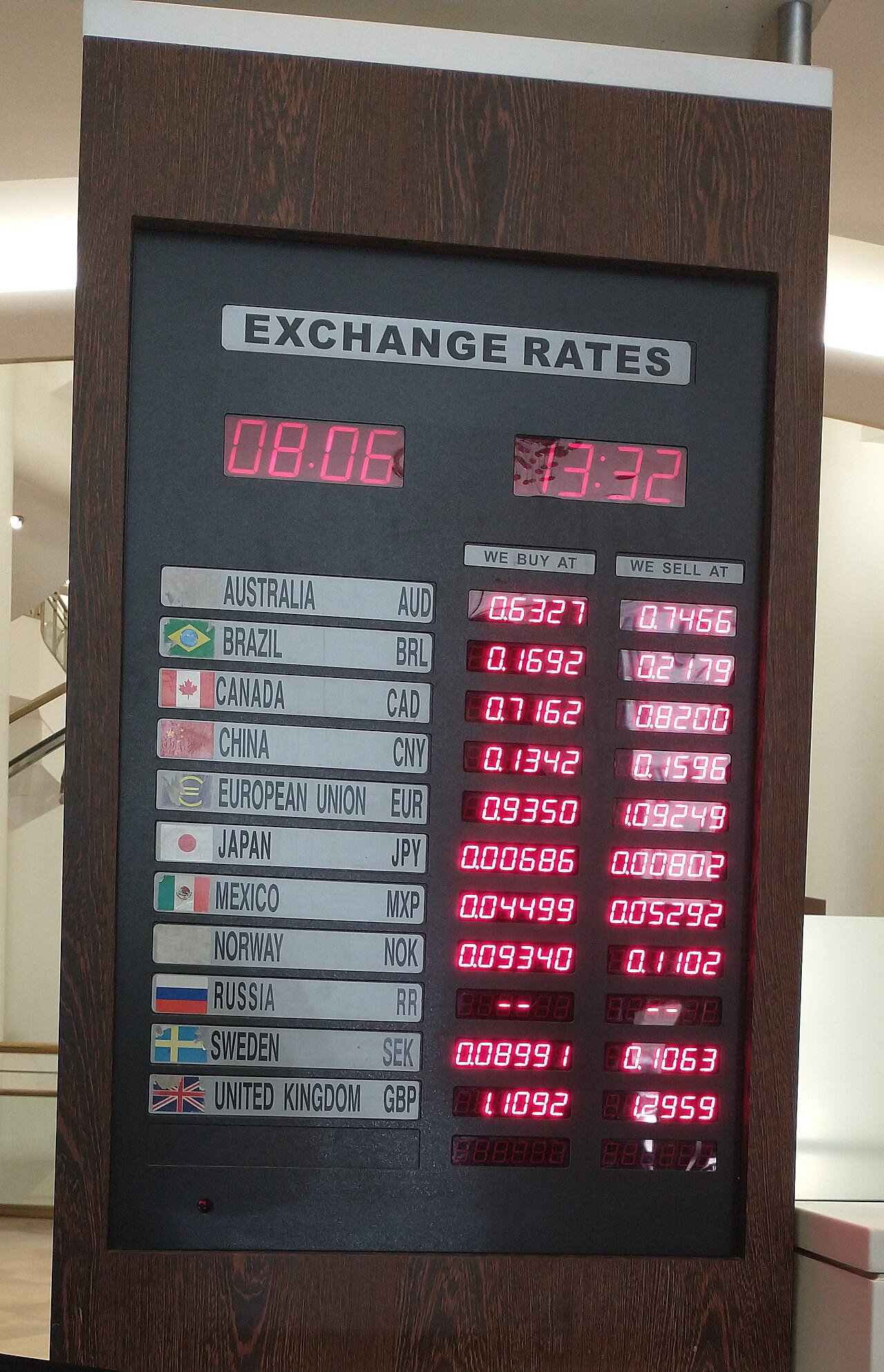
At its core, an exchange performs three functions: it brings buyers and sellers together, it displays prices so both sides know what a fair trade looks like, and it guarantees that the trade actually settles — that the buyer gets what they paid for and the seller gets paid. A currency exchange booth does this manually, updating rates on a physical board. A stock exchange does it at massive scale with automated systems matching millions of orders a day.
Centralized vs. Decentralized Crypto Exchanges
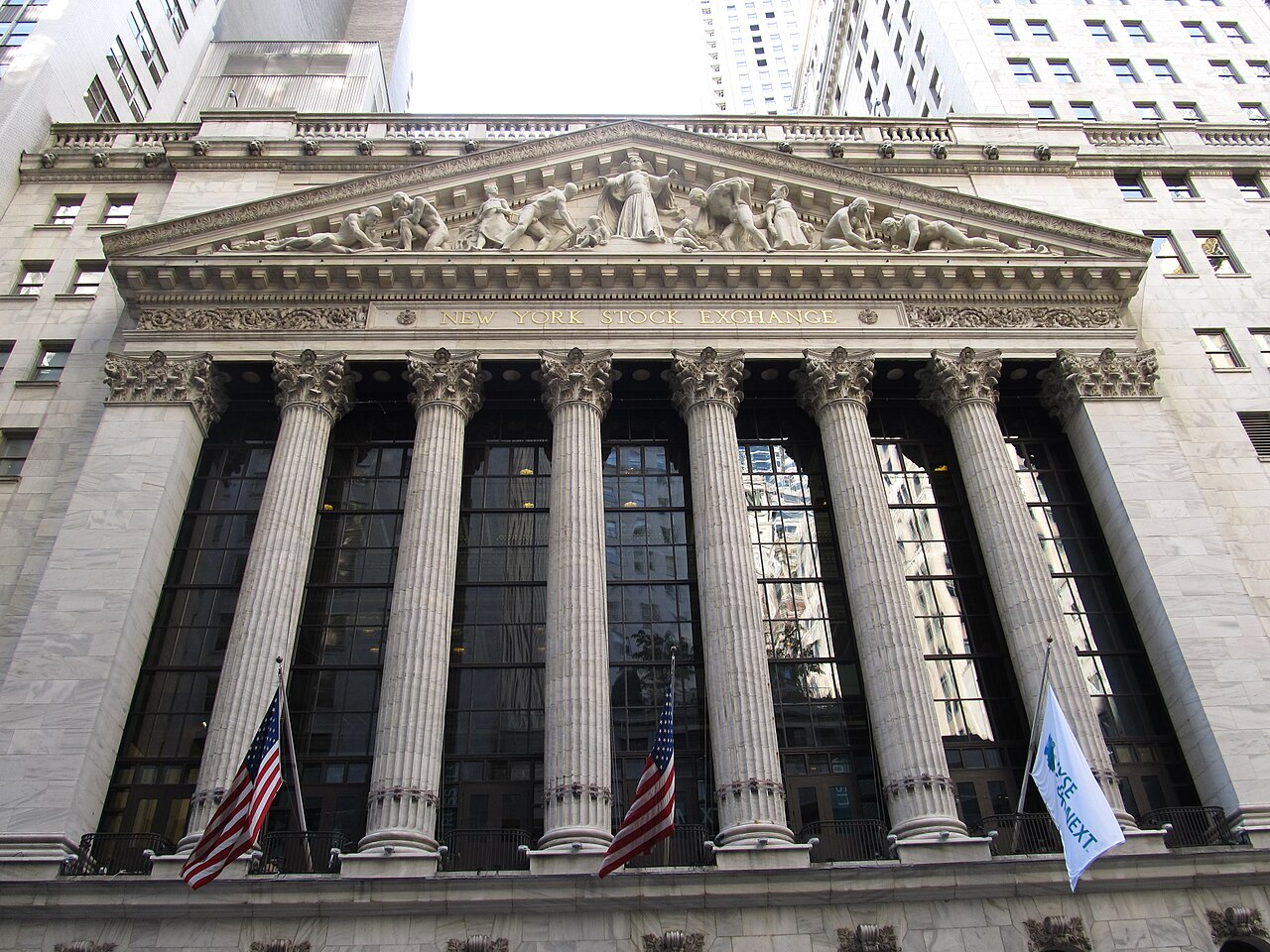
A centralized exchange (CEX) works much like the New York Stock Exchange above — a company runs the platform, holds custody of user funds, and matches trades internally. It’s convenient and familiar, but it also means trusting that company to keep funds safe and honor withdrawals. A decentralized exchange (DEX) removes that company entirely, letting trades execute directly between users’ own wallets through smart contracts. Neither structure is universally better — each trades convenience for control in a different direction.
Crypto Exchanges Are Now Physical Too
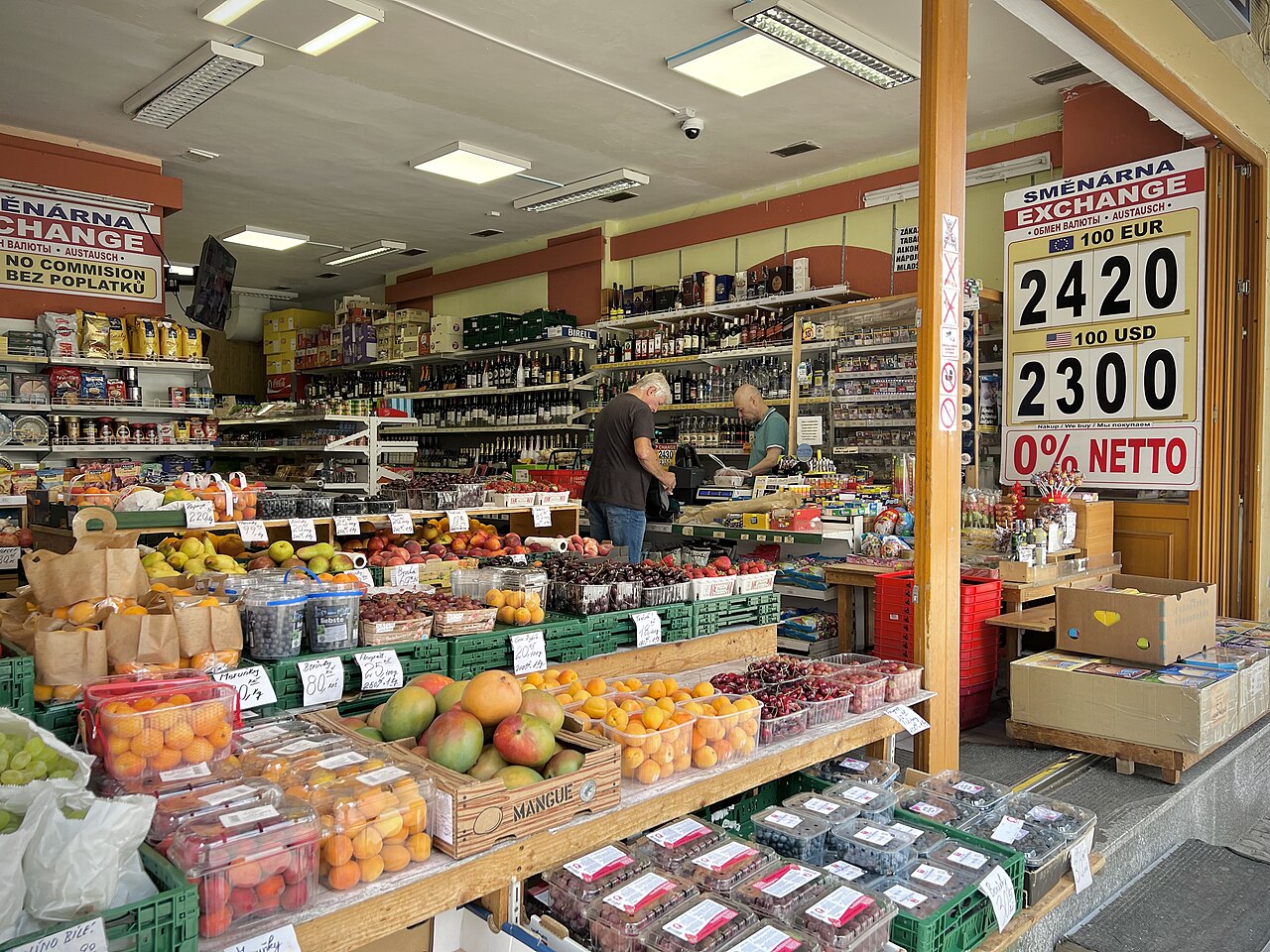
Booths like this Bitcoin ATM are, in effect, a physical branch of a cryptocurrency exchange — a machine that lets someone convert cash into crypto (or the reverse) on the spot, the same way a currency exchange booth converts dollars into euros. It’s a reminder that “exchange” isn’t a purely digital concept even in the crypto world; the underlying function — converting one form of value into another at a fair rate — shows up wherever there’s demand for it.
What to Check Before Trusting an Exchange
- Regulation and track record. A licensed, established exchange with a long operating history carries far less risk than an unregulated newcomer.
- Where your funds actually sit. On a centralized exchange, funds are held by the company — understand what happens to them if that company fails.
- Withdrawal fees and limits. Some exchanges make it easy to deposit and difficult, slow, or expensive to withdraw — a pattern worth checking before committing funds.
- Security history. Past breaches and how the exchange responded to them say more about its real security posture than any marketing claim.
The Bottom Line
An exchange is the machinery that makes trading possible, whether it’s a wooden board of currency rates, a marble building on Wall Street, or a smart contract running on a blockchain. Understanding what an exchange actually promises — and what it doesn’t — is the difference between using one confidently and being caught off guard by it.
ESPADMAG – A Place to: Mindset Achieve Greatness!
Photo credits: Dvortygirl (CC BY-SA 4.0); Ken Lund (CC BY-SA 2.0); TapticInfo (CC BY-SA 4.0); Sharon Hahn Darlin (CC BY 2.0) — via Wikimedia Commons.
