


Introduction
Epistemology asks a question that sounds simple until you actually try to answer it carefully: how do we know what we claim to know? Not just what’s true, but what separates a lucky correct guess from genuine knowledge, and what makes a belief justified rather than merely convenient. It matters far beyond philosophy classrooms — every news story you trust, every expert opinion you accept, and every “obvious” fact you’ve never personally verified rests on assumptions epistemology is built to examine. In this article, we’ll look at what actually counts as knowledge, why our senses can mislead us, and how we’re supposed to evaluate claims we can’t check ourselves.
Why Your Senses Aren’t Automatically Trustworthy
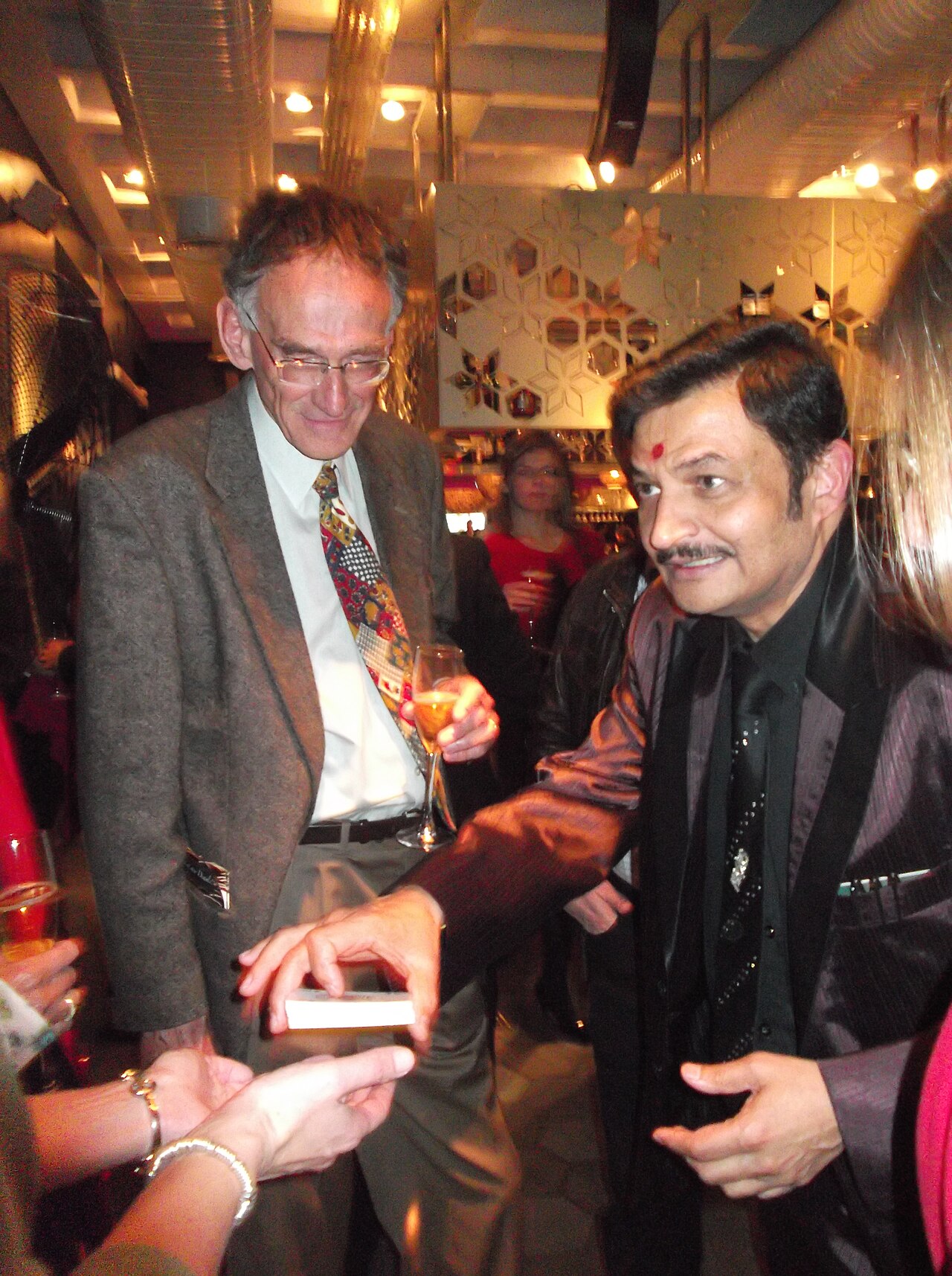
A good magic trick works because your eyes report exactly what they’re designed to report — and still leave you completely wrong about what actually happened. That’s not a flaw unique to watching magicians; it’s a basic fact about perception that epistemology takes seriously. Seeing something happen and knowing what actually happened are related but genuinely different things, which is exactly why “I saw it with my own eyes” is treated as a starting point for investigation, not the end of one, in fields from science to law.
What Actually Counts as Knowledge
Philosophers have long worked with a simple starting definition: knowledge is a belief that’s both true and justified — not just a lucky correct guess. If you believe it will rain tomorrow purely because you flipped a coin, and it happens to rain, you didn’t actually know it would rain; you got lucky. The justification part is what separates knowledge from a correct hunch, which is why epistemology spends so much energy on what actually counts as good justification in the first place.
Knowledge Through Other People
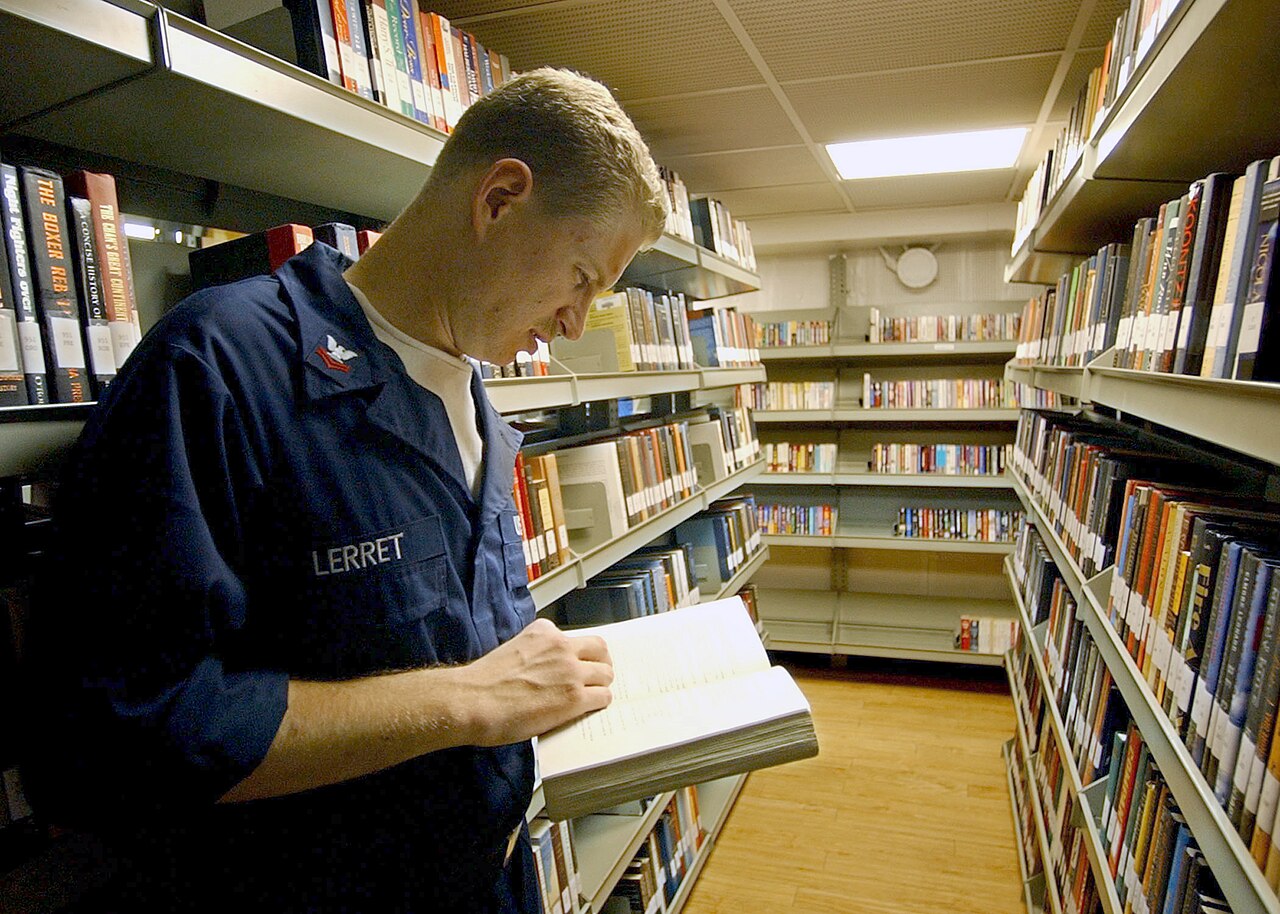
Almost everything you know didn’t come from personal, first-hand verification — it came from books, teachers, and other people, exactly like the shelves of accumulated knowledge shown here. You likely believe the Earth orbits the Sun, but few people have personally verified this through observation; it’s trusted testimony, passed down through a chain of people who did the careful work. Epistemology asks what makes this kind of secondhand knowledge legitimate, and how to tell reliable testimony from unreliable testimony when you can’t check the original source yourself.
Careful Observation as a Path to Knowledge
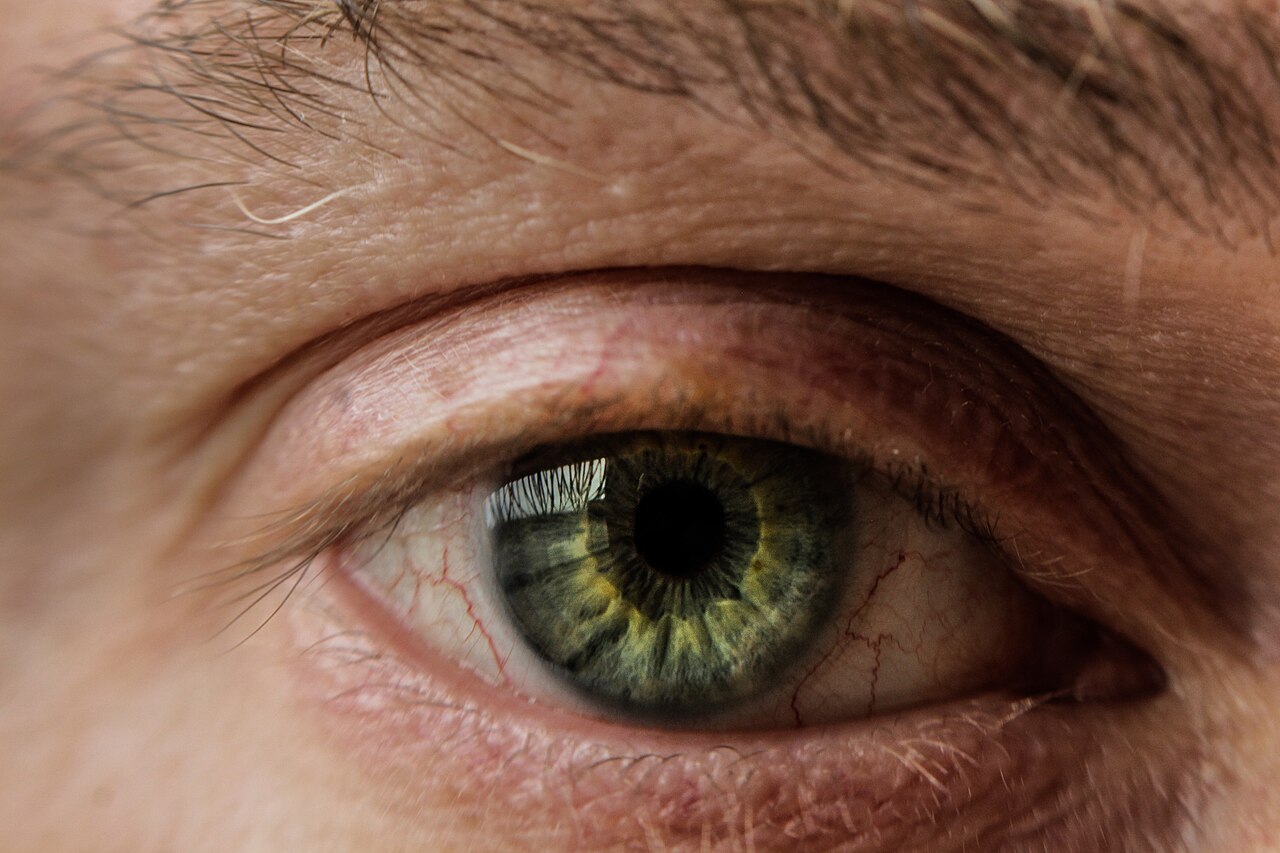
An observatory like this one represents the opposite end of the spectrum from a magic trick — a deliberate system built specifically to correct for the ways ordinary perception misleads us, using instruments, repeated measurement, and independent verification by other observers. Science doesn’t claim its practitioners have better eyes than anyone else; it claims a method that catches individual errors precisely because knowledge built this carefully is harder to fool than knowledge built on a single glance.
The Bottom Line
Epistemology isn’t skepticism for its own sake — it’s the discipline of asking what actually justifies a belief before treating it as knowledge. In a world full of confident claims, that habit of asking “how do you actually know that?” is one of the most practically useful things philosophy has to offer.
ESPADMAG – A Place to: Mindset Achieve Greatness!
Photo credits: Find Your Feet (CC BY 2.0); U.S. Navy photo by Photographer’s Mate 2nd Class H. Dwain Willis (Public domain); ESO / B. Tafreshi (CC BY 4.0); Kamil Saitov (CC BY 4.0) — via Wikimedia Commons.
