


Introduction
Despite the name, a smart contract isn’t a legal document, and it isn’t especially “smart” in any human sense. It’s a small piece of code stored on a blockchain that automatically executes an agreement once its conditions are met — no lawyer, no signature, no manual approval step required. The idea sounds futuristic, but the underlying logic is one most people already understand from everyday life. In this article, we’ll look at how smart contracts actually work, a familiar analogy that makes the concept click, and where they genuinely change how agreements get enforced.
How a Smart Contract Actually Works
A smart contract is written using simple “if this, then that” logic. If Party A sends the agreed payment, then the digital asset automatically transfers to them. If a shipment’s tracking data confirms delivery, then funds automatically release to the seller. Because the code runs on a blockchain, once it’s deployed, no single party — not even the person who wrote it — can quietly change the rules or block the outcome once the conditions are satisfied.
The Vending Machine Analogy

A vending machine is a smart contract most people have used without ever thinking of it that way. Insert the correct payment, select an item, and the machine automatically dispenses it — no cashier, no negotiation, no need to trust the machine’s “intentions.” The rules are fixed in advance and applied identically to everyone, every time. A blockchain-based smart contract does the same thing for far more complex agreements, without needing a physical machine at all.
Where Smart Contracts Genuinely Change Things
Smart contracts remove the need for a trusted middleman in situations that traditionally required one: escrow services, insurance payouts triggered by verifiable events, royalty payments split automatically among multiple creators, and lending agreements that execute without a bank in the loop. The appeal isn’t just speed — it’s the removal of a party who could otherwise delay, misinterpret, or simply fail to honor an agreement.
The Real Limitations
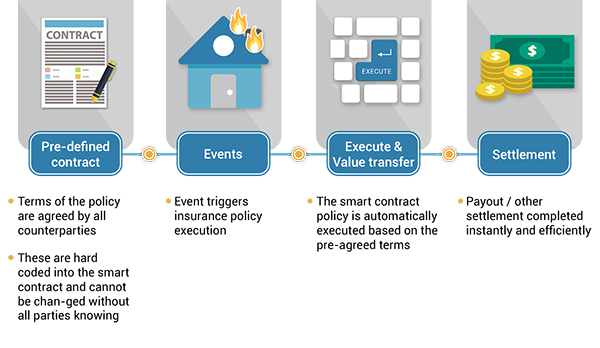
A smart contract is only as good as the code it’s written in — a bug or oversight in the logic executes exactly as written, mistakes included, and can’t simply be paused or edited after the fact the way a human-run process could be. It also can’t independently judge intent or fairness; it only checks whether specific, pre-defined conditions were technically met. That rigidity is precisely what makes it reliable, and precisely what makes careful, audited code so essential before real money is on the line.
The Bottom Line
Smart contracts aren’t magic or artificial intelligence — they’re automated, tamper-resistant agreements that execute exactly as written, the same way a vending machine dispenses a soda without needing anyone to supervise the transaction. Understanding that simple core idea is what makes the more advanced applications built on top of it — from DeFi lending to NFT royalties — much easier to follow.
ESPADMAG – A Place to: Mindset Achieve Greatness!
Photo credits: Ivan Radic (CC BY 2.0); Chiara Coetzee (CC0); Lorenzo Cafaro (CC0); draglet GmbH (CC BY-SA 4.0) — via Wikimedia Commons.
