


Introduction
An NFT, or non-fungible token, is one of the most misunderstood ideas to come out of crypto — mostly because people assume you’re buying the image itself. You’re not. You’re buying a unique, verifiable record on a blockchain proving you own a specific digital item, while the image, video, or file usually just sits somewhere else entirely, referenced by that record. “Non-fungible” simply means one-of-a-kind — unlike a Bitcoin, where any unit is interchangeable with any other, an NFT is specifically not interchangeable with another NFT. In this article, we’ll unpack what you’re really buying, why a literal single pixel once sold as an NFT, and where the format has found genuine, lasting use.
What You’re Actually Buying
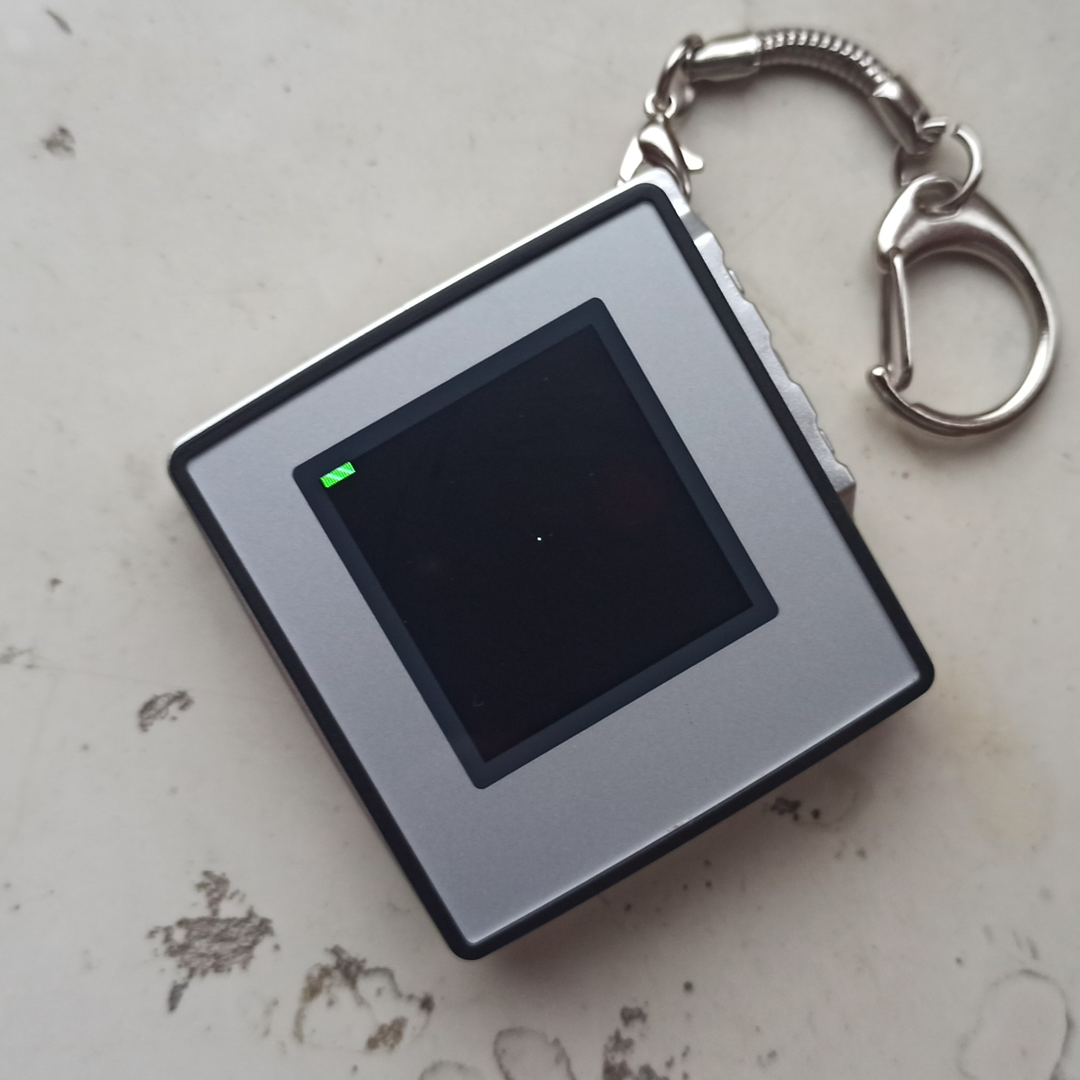
The device pictured above is genuinely displaying an NFT sold as artwork: “Single Transparent Pixel.” It’s a joke with a real point behind it — the actual image content of an NFT can be as trivial as a single pixel, because what’s actually being bought and sold is the token, the blockchain record of ownership, not the artistic merit of the underlying file. That distinction between the token and the media it points to is the single most important thing to understand before evaluating any NFT.
Why Artists and Collectors Actually Use Them
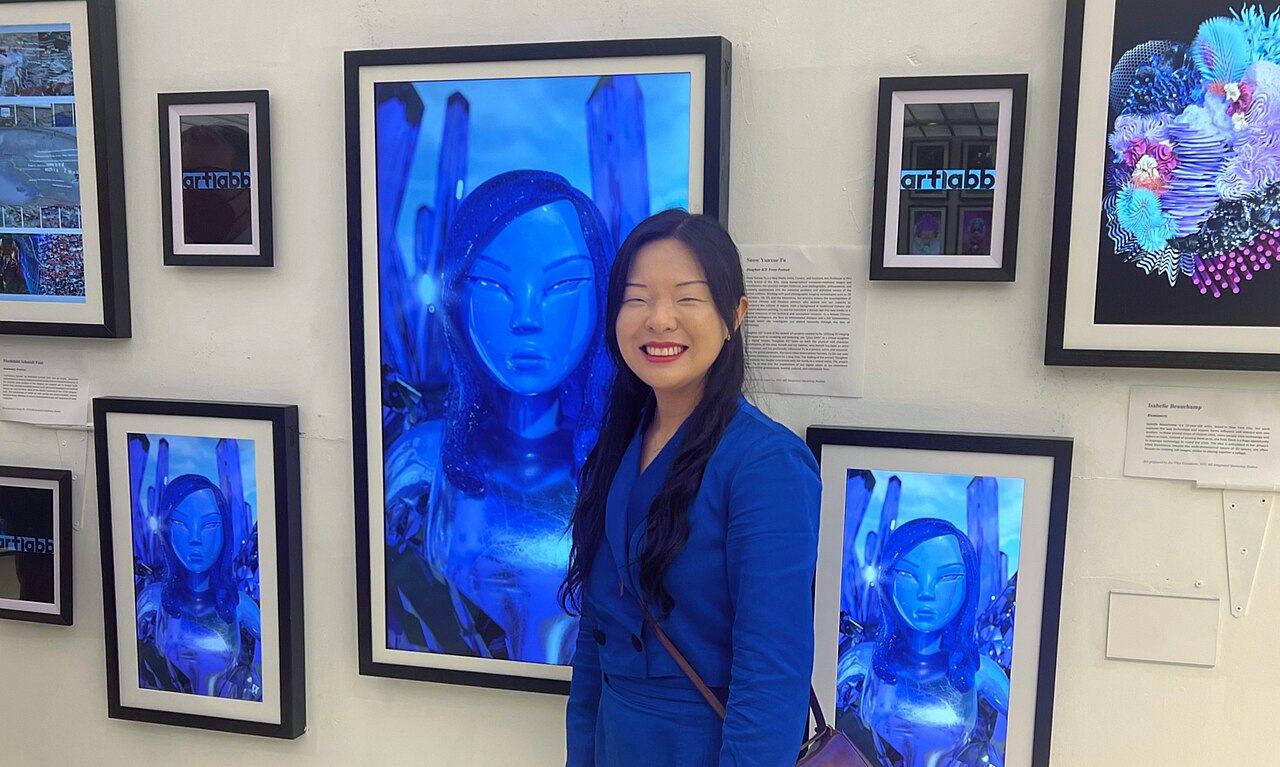
Before NFTs, digital artists had a real problem: a digital file can be copied infinitely with zero quality loss, which made it nearly impossible to sell a digital artwork as a scarce, ownable original the way a painting can be. NFTs solve that specific problem — not by preventing copies of the image, which still happen freely, but by creating one verifiable “original” that carries provenance, resale royalties for the artist, and bragging rights that a copy simply doesn’t have. Exhibitions like the one shown here treat NFT art with the same seriousness as any other gallery show.
When Traditional Auction Houses Took Notice

NFTs crossed fully into the mainstream art world when Christie’s — a nearly 260-year-old auction house that has sold works by Rembrandt and Picasso — auctioned a purely digital NFT artwork for tens of millions of dollars. That moment mattered less for the price and more for what it signaled: an institution built entirely around authenticating and selling scarce physical originals decided a blockchain record could serve the exact same function for a digital one.
Beyond Digital Art
Art gets the attention, but NFTs work for anything that benefits from a verifiable, unique digital record: event tickets that can’t be counterfeited, in-game items with provable ownership and history, membership passes, and even records tied to real-world property. The underlying mechanism — a unique, tamper-resistant token representing ownership — is genuinely useful well outside of art speculation, even if that’s where it first became famous.
The Bottom Line
An NFT is a certificate of ownership, not the artwork itself — a distinction that clears up most of the confusion around the format. Whether any specific NFT is actually worth its price is a separate question entirely, and one worth asking with the same skepticism you’d bring to any collectible market.
ESPADMAG – A Place to: Mindset Achieve Greatness!
Photo credits: Wattenoh (CC BY-SA 4.0); Diegolech (CC BY-SA 4.0); Ewan-M (CC BY-SA 4.0); Jon Westra (CC BY 2.0) — via Wikimedia Commons.
