


Introduction
The metaverse gets talked about as if it’s one specific place you’ll eventually log into, but it’s really more of a direction than a destination — a persistent, shared, 3D digital space where people interact through avatars, in real time, alongside real work, socializing, and commerce. No single company owns it, and no single platform is “the” metaverse; it’s closer to a description of where several existing technologies are heading than a finished product. In this article, we’ll look at what actually makes the metaverse different from a regular video game, how blockchain fits into it, and how close we actually are to the version people imagine.
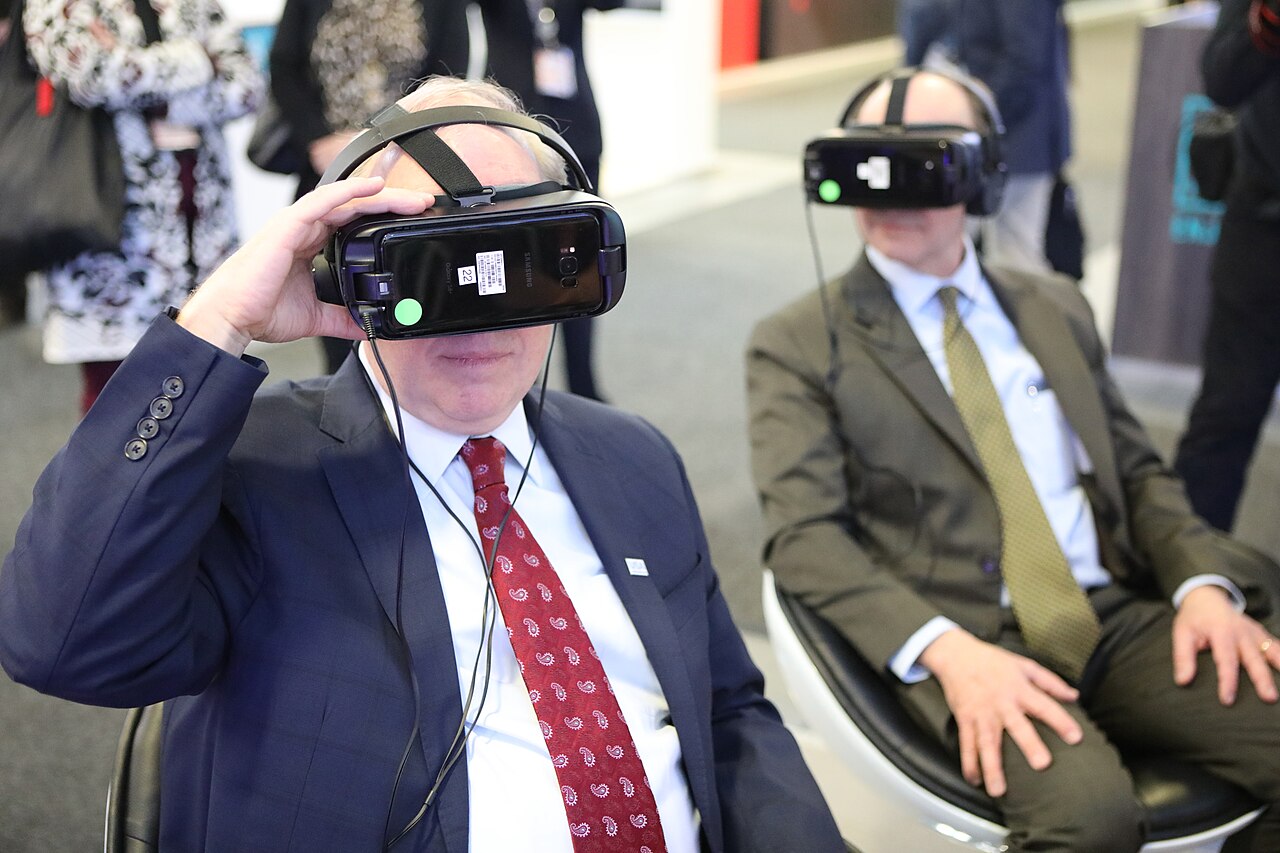
What Actually Separates It From a Video Game
Multiplayer video games have had persistent shared worlds for decades, so what’s supposedly different about the metaverse? The core distinctions are persistence, interoperability, and economic weight. A metaverse space is meant to keep existing and evolving whether or not you’re logged in, ideally let your identity and belongings move between different platforms rather than staying locked to one game, and support genuine economic activity — buying, selling, and owning things with real value. Most current platforms only achieve part of that vision, which is exactly why “the metaverse” still feels more like a promise than a finished place.
The Hardware Making It Feel Real
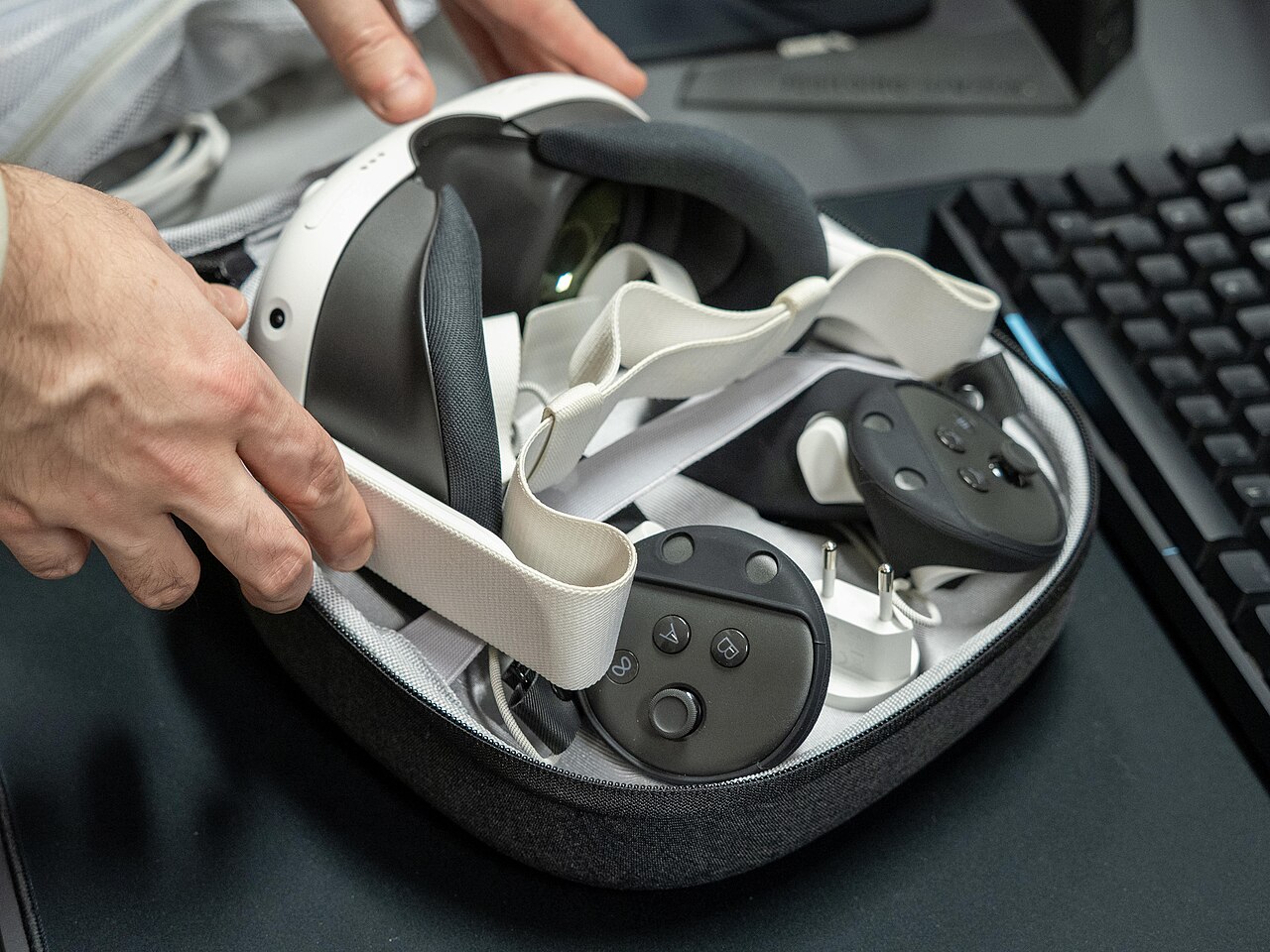
Consumer VR headsets like the one being packed away here are what actually made metaverse-style spaces feel tangible rather than theoretical. They’re still a fraction of the hardware ambition some companies describe — full-body tracking suits, haptic feedback, and true photorealism remain far from mainstream — but the gap between “virtual space on a flat screen” and “virtual space you feel present in” has narrowed considerably in just the last several years.
Where Blockchain Fits In
Blockchain isn’t required to build a metaverse, but it solves a problem that a truly open one would eventually run into: if your digital clothing, land, or currency is meant to move between different companies’ platforms, something needs to prove you actually own it independently of any single company’s database. NFTs and crypto wallets are the most common answer proposed so far — a way to carry provable digital ownership across a space no single company controls.
Shared Presence, Not Just Shared Screens
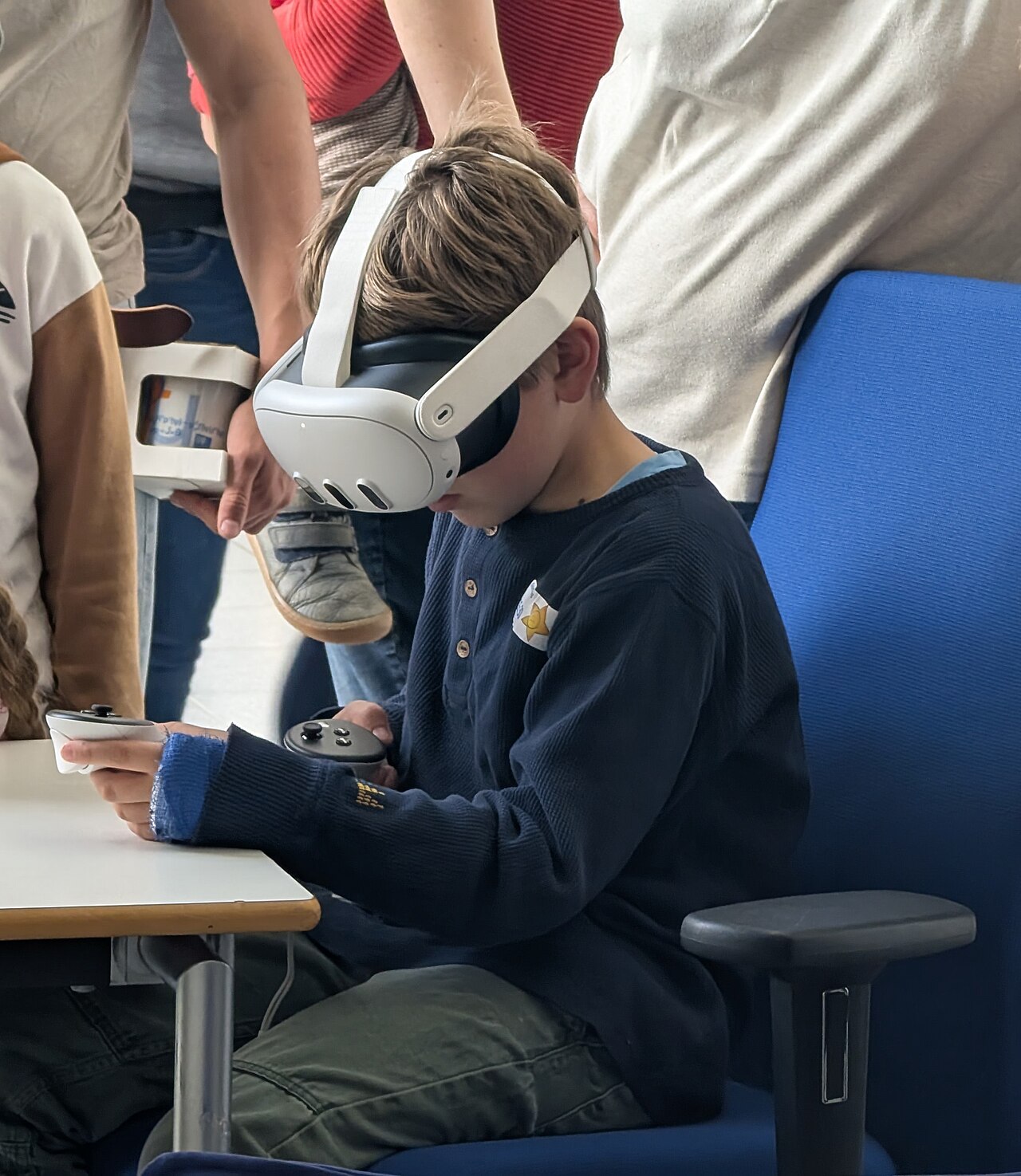
Setups like this full-body tracking rig point at the more ambitious end of the vision: not just seeing other people’s avatars on a screen, but genuinely sharing a sense of physical presence with them in a virtual space. It’s a preview of what proponents mean when they describe the metaverse as a successor to today’s flat, screen-bound internet rather than just another app or platform.
The Bottom Line
The metaverse, as most people imagine it, is still being built one piece at a time — better headsets, more portable digital identities, clearer ownership standards — rather than existing as a single finished space you can visit today. Understanding it as a direction several technologies are converging toward, rather than a product already on the shelf, is the most accurate way to think about it right now.
ESPADMAG – A Place to: Mindset Achieve Greatness!
Photo credits: U.S. Embassy Berlin (Public domain); InclusiveGameLab (CC BY-SA 4.0); jurvetson (CC BY 2.0); Siarhei Besarab (CC BY-SA 4.0) — via Wikimedia Commons.
