


Introduction
Philosophy has a reputation for being abstract and impractical, but it’s really just the discipline of asking the questions too fundamental for any other field to answer: What can we actually know? What makes an action right or wrong? What does it mean for something to exist? Science, law, and everyday reasoning all quietly rest on assumptions that philosophy is the field actually built to examine. In this article, we’ll look at what philosophy actually does as a discipline, its major branches, and why the questions it asks matter even for people who never open a philosophy book.
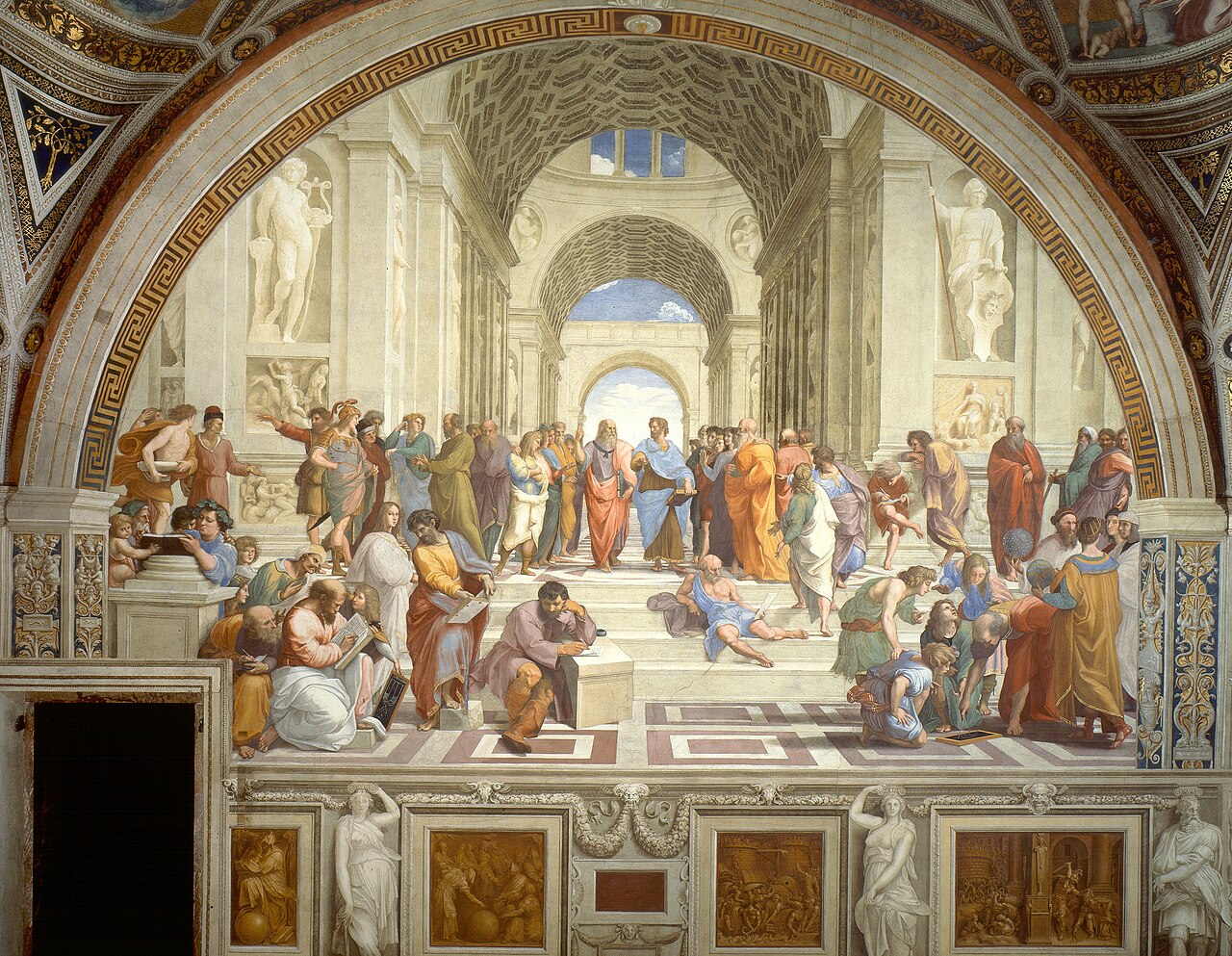
What Philosophy Actually Does
Philosophy’s method is rigorous argument rather than experimentation — building a claim step by step, testing it against counterexamples, and following its logical consequences wherever they lead, even when that’s uncomfortable. It doesn’t replace science, law, or personal judgment; it examines the foundations those fields build on without always questioning. A scientist assumes the physical world is knowable through observation — philosophy asks what justifies that assumption in the first place.
The Major Branches
Philosophy divides into several core areas, each asking a different fundamental question. Metaphysics asks what actually exists and what reality is fundamentally made of. Epistemology asks how we know what we claim to know. Ethics asks what makes an action right or wrong. Logic asks what makes an argument valid. Aesthetics asks what beauty and artistic value actually are. Together, they cover nearly every fundamental question a thoughtful person eventually runs into.
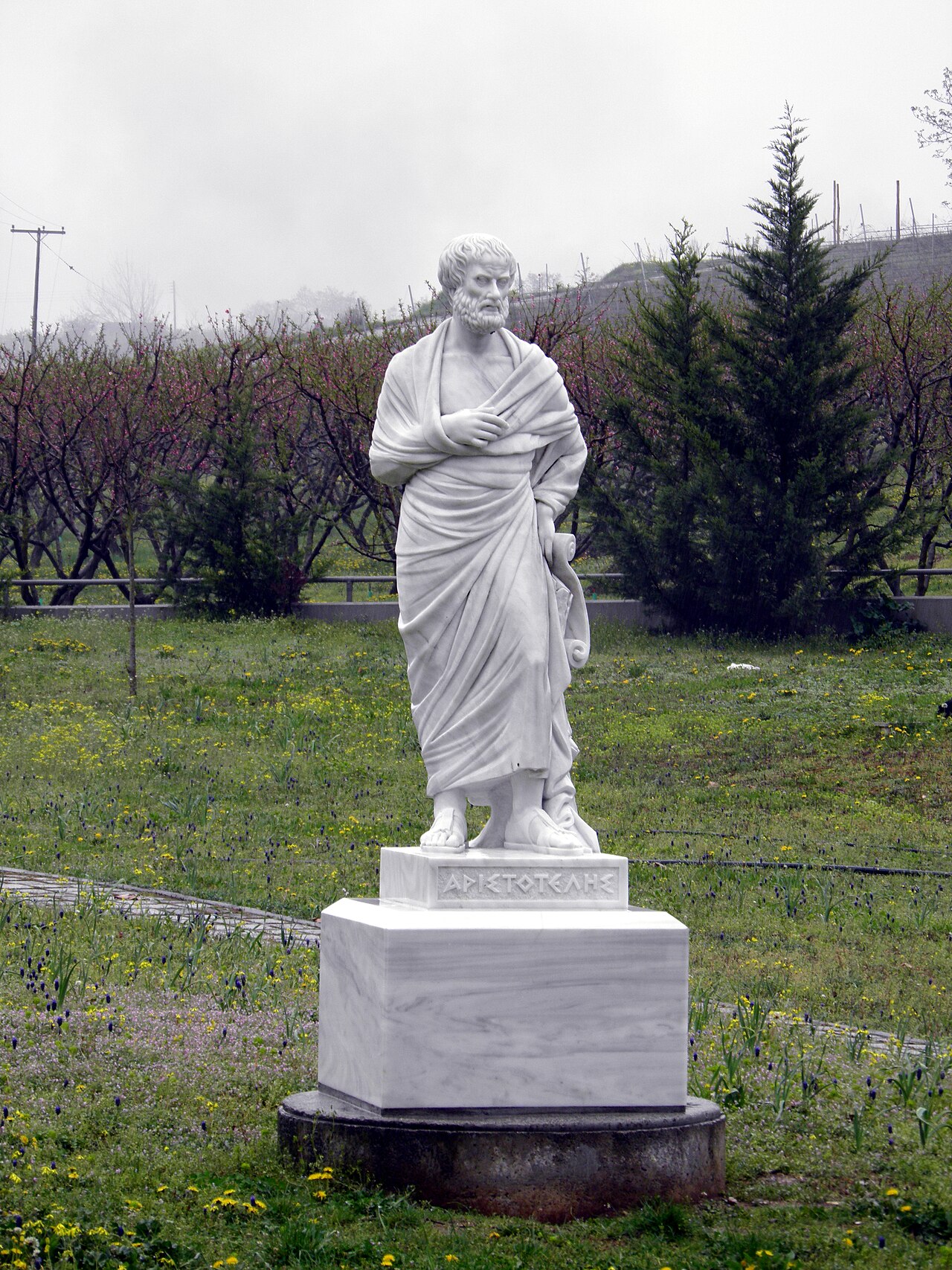
Why It Matters Even If You’ve Never Studied It
Everyone already operates with philosophical assumptions, whether examined or not — about what’s fair, what’s true, what a good life looks like. The difference philosophy makes isn’t introducing those questions for the first time; it’s making people examine assumptions they’d otherwise never notice they were making. A person who has never studied ethics still makes moral judgments constantly — philosophy just asks them to justify those judgments rather than take them for granted.
A Discipline of Sitting With Hard Questions

Rodin’s famous sculpture captures something true about philosophy’s actual practice: sitting with a hard question long enough to think it through carefully, rather than reaching for the first comfortable answer. Many of philosophy’s deepest questions don’t resolve into a single final answer — but the process of genuinely wrestling with them sharpens reasoning in a way that’s useful well beyond philosophy itself.
The Bottom Line
Philosophy isn’t a relic of ancient academies — it’s the ongoing discipline of examining the assumptions everything else quietly relies on. Whether or not you ever formally study it, the questions it asks are the same ones underneath most serious decisions worth making carefully.
ESPADMAG – A Place to: Mindset Achieve Greatness!
Photo credits: Raphael (Public domain); Carole Raddato (CC BY-SA 2.0); Joe deSousa (CC0); Damian Gadal (CC BY 2.0) — via Wikimedia Commons.
