


Introduction
“Meta tech” isn’t a single field with its own textbook — it’s a useful label for technologies that blend the digital and physical so closely that the line between the two starts to blur: a device that reads your brain’s electrical signals, a wristband that turns your heartbeat into a data stream, a prosthetic limb that lets someone run competitively again. What ties these together isn’t a shared underlying science, but a shared direction: technology increasingly worn on, embedded in, or directly interfacing with the human body. In this article, we’ll look at what that convergence actually looks like today, and where it’s headed.
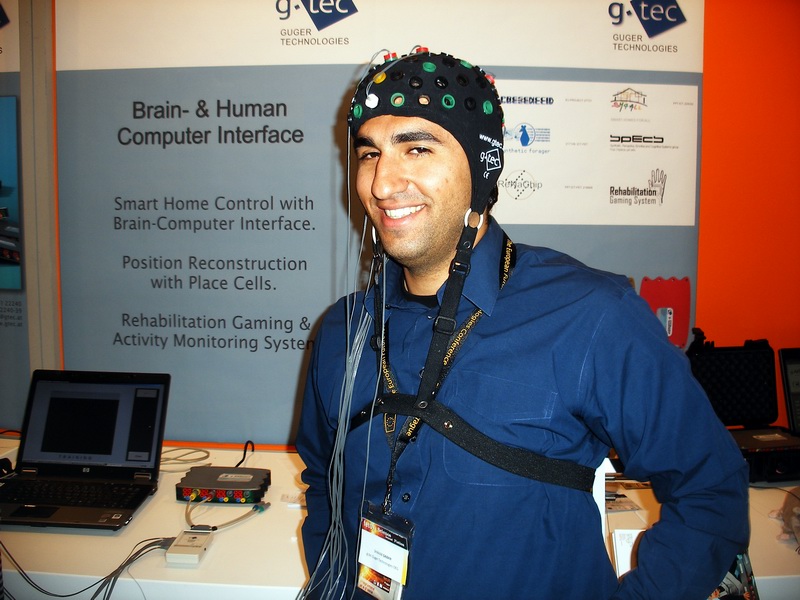
Reading the Body’s Own Signals
A brain-computer interface, like the electrode cap shown here, works by detecting electrical activity generated by neurons and translating specific patterns into commands a computer can act on — controlling a cursor, a wheelchair, or a smart home device, purely through thought. It’s still far from mind-reading in any general sense; today’s systems recognize a limited set of trained patterns rather than parsing full ideas. But the core achievement — letting a device respond directly to brain activity — is a genuinely new interface layer between people and machines.
Wearables That Quietly Became Normal
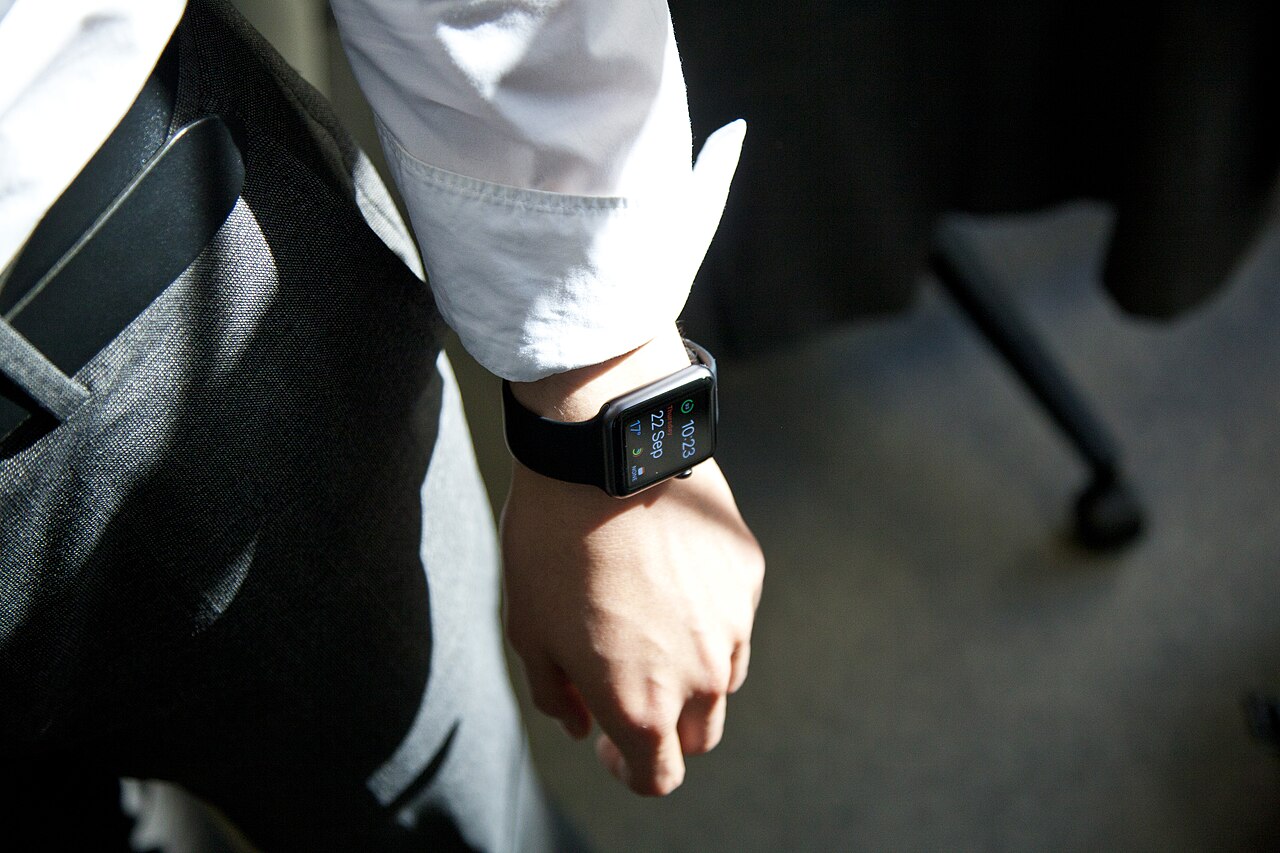
A device like the smartwatch shown here would have counted as meta tech a decade ago — continuous heart rate, movement, and sleep data collected directly from the body and fed back to the wearer in real time. It’s a useful reminder of how quickly today’s cutting edge becomes tomorrow’s unremarkable accessory, and a preview of how today’s more experimental body-integrated technology will likely be viewed in another ten years.
When Technology Restores Rather Than Just Enhances
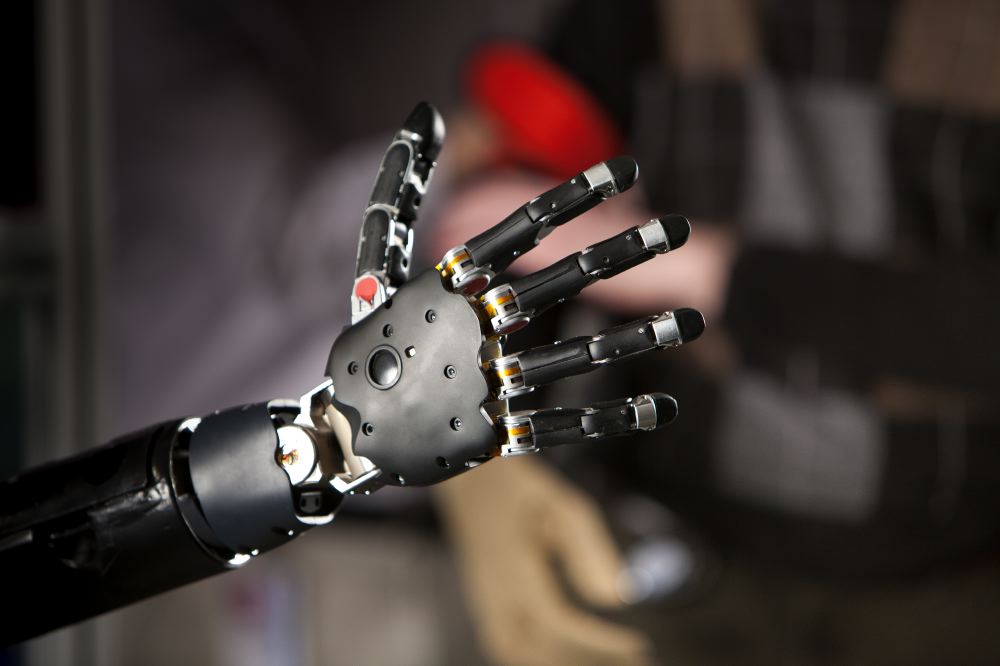
Advanced prosthetics like the running blades shown here represent one of meta tech’s most meaningful applications: technology that doesn’t just add a convenience but restores a genuine capability — competitive running, in this case, for athletes who lost limbs. Modern prosthetic design draws on biomechanics, lightweight materials science, and increasingly on sensors and motors that respond to a user’s own muscle signals, blurring the line between “tool” and “body part” further than almost any other category of technology.
The Bottom Line
Meta tech is less a specific product category than a direction — technology moving steadily closer to the human body, whether by reading its signals, tracking its data, or replacing what it’s lost. Watching that direction, rather than any single device within it, is the most useful way to anticipate where genuinely significant change is likely to come from next.
ESPADMAG – A Place to: Mindset Achieve Greatness!
Photo credits: Anders Sandberg (CC BY 2.0); Tyler Hendy (CC0); Cpl. Chelsea Anderson (Public domain); Johns Hopkins University Applied Physics Laboratory (Public domain) — via Wikimedia Commons.
