


Introduction
Let’s be honest: “eat healthy” has to be one of the most repeated pieces of advice out there, and also one of the most confusing. One week a food is a superfood; the next week someone says to avoid it completely. So what does healthy nutrition actually mean, once you strip away the fad diets and the conflicting headlines? In this article, we’re going to break it down in a simple, practical way — no extreme rules, no guilt trips, just the real basics of eating in a way that keeps your body and mind running well for the long haul.
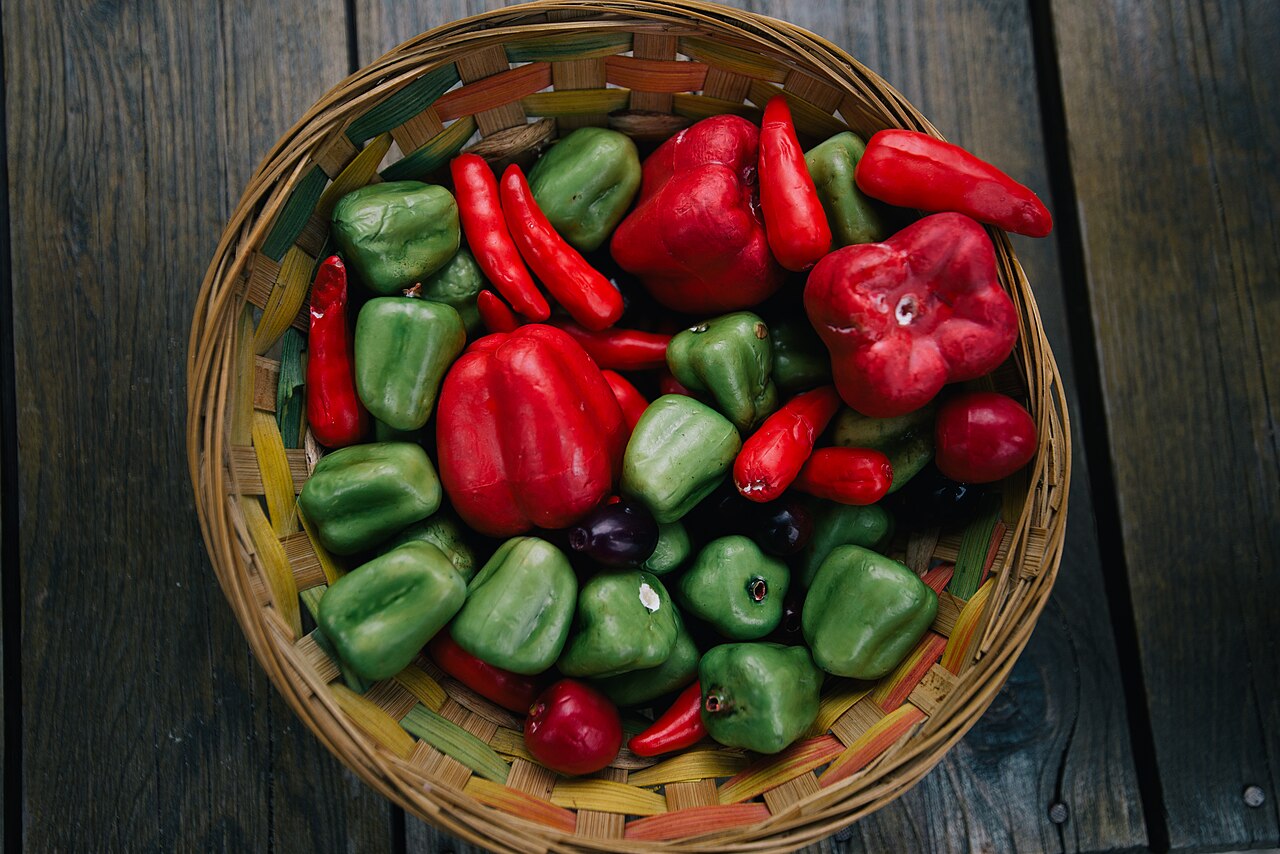
What Does “Healthy Nutrition” Actually Mean?
Healthy nutrition isn’t a single food, a single meal, or a 30-day challenge. It’s the overall pattern of what you eat, day after day, that gives your body the nutrients it needs — carbohydrates for energy, protein for repair and muscle, healthy fats for your brain and hormones, and a long list of vitamins and minerals that keep everything from your immune system to your bones working the way they should. A truly healthy way of eating is flexible enough to fit real life: birthdays, busy weeks, and the occasional slice of pizza all included.
The Core Principles of a Healthy Diet
You don’t need a nutrition degree to eat well. Most of it comes down to a handful of principles that, once they become habits, basically run on autopilot.
Balance Over Perfection
A healthy plate usually has a mix of vegetables, a source of protein, some healthy fat, and a smart portion of carbohydrates. You don’t need to hit that balance perfectly at every single meal — aim for it across the day, or even across the week, and you’re doing great.
Real Food First
The less a food has been processed, the more of its natural nutrients tend to stick around. That doesn’t mean every packaged item is the enemy, but building your meals around whole foods — vegetables, fruits, whole grains, lean proteins, nuts, and legumes — is one of the simplest ways to upgrade your diet without overthinking it.
Hydration Counts as Nutrition, Too
Water doesn’t get nearly enough credit. It helps with digestion, keeps your skin looking good, supports concentration, and even affects how hungry you feel. A lot of “hunger” during the day is actually mild dehydration in disguise.
Portion Awareness, Not Portion Anxiety
You don’t need to weigh every meal. Simple visual cues work well: a palm-sized portion of protein, a fist-sized portion of vegetables, and a cupped-hand portion of carbs is a decent starting point for most people. The goal is awareness, not obsession.
Foods Worth Making a Habit
If you’re looking for a shortlist of foods to lean on, this is a solid place to start:
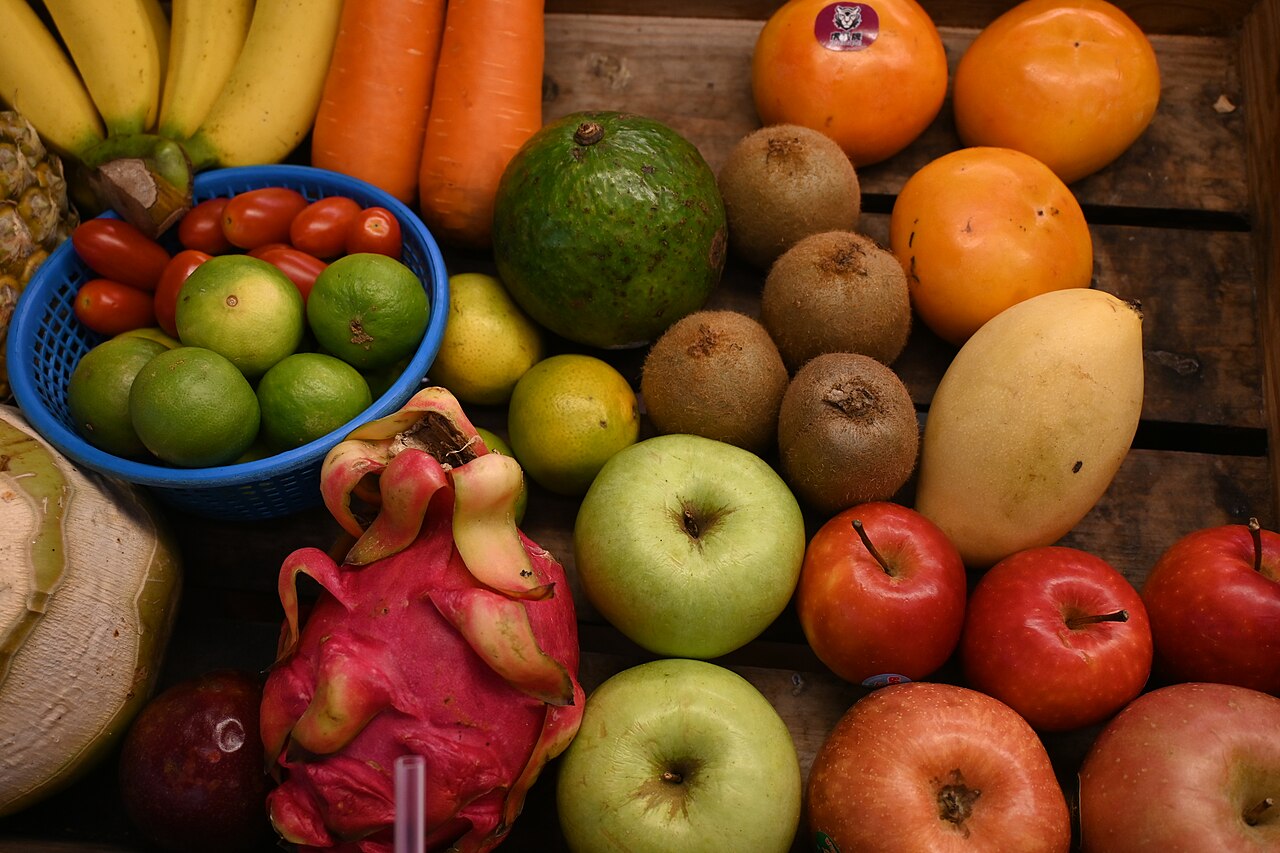
- Leafy greens: Spinach, kale, and lettuce are low in calories and loaded with vitamins A, C, and K.
- Berries: Blueberries, strawberries, and raspberries are packed with antioxidants and fiber, and they satisfy a sweet craving the natural way.
- Whole grains: Oats, brown rice, and quinoa give you steady energy instead of the sugar-crash rollercoaster.
- Lean protein: Chicken, fish, eggs, beans, and lentils help you feel full longer and support muscle health.
- Healthy fats: Avocado, olive oil, and nuts support your heart and help your body absorb certain vitamins.
Nutrition Myths That Need to Retire
There’s a lot of noise out there, so let’s clear up a few common misunderstandings.
- “Carbs are bad.” Carbohydrates are your body’s main energy source. The issue is usually the type and amount, not carbs as a category.
- “Skipping meals helps you lose weight.” It often backfires by making you overeat later and can slow your metabolism down over time.
- “Fat-free means healthy.” Many fat-free products make up for the missing flavor with extra sugar or sodium.
Simple Habits That Add Up
You don’t need to overhaul your entire life overnight. Small, consistent habits tend to stick far better than dramatic changes that burn out after two weeks.
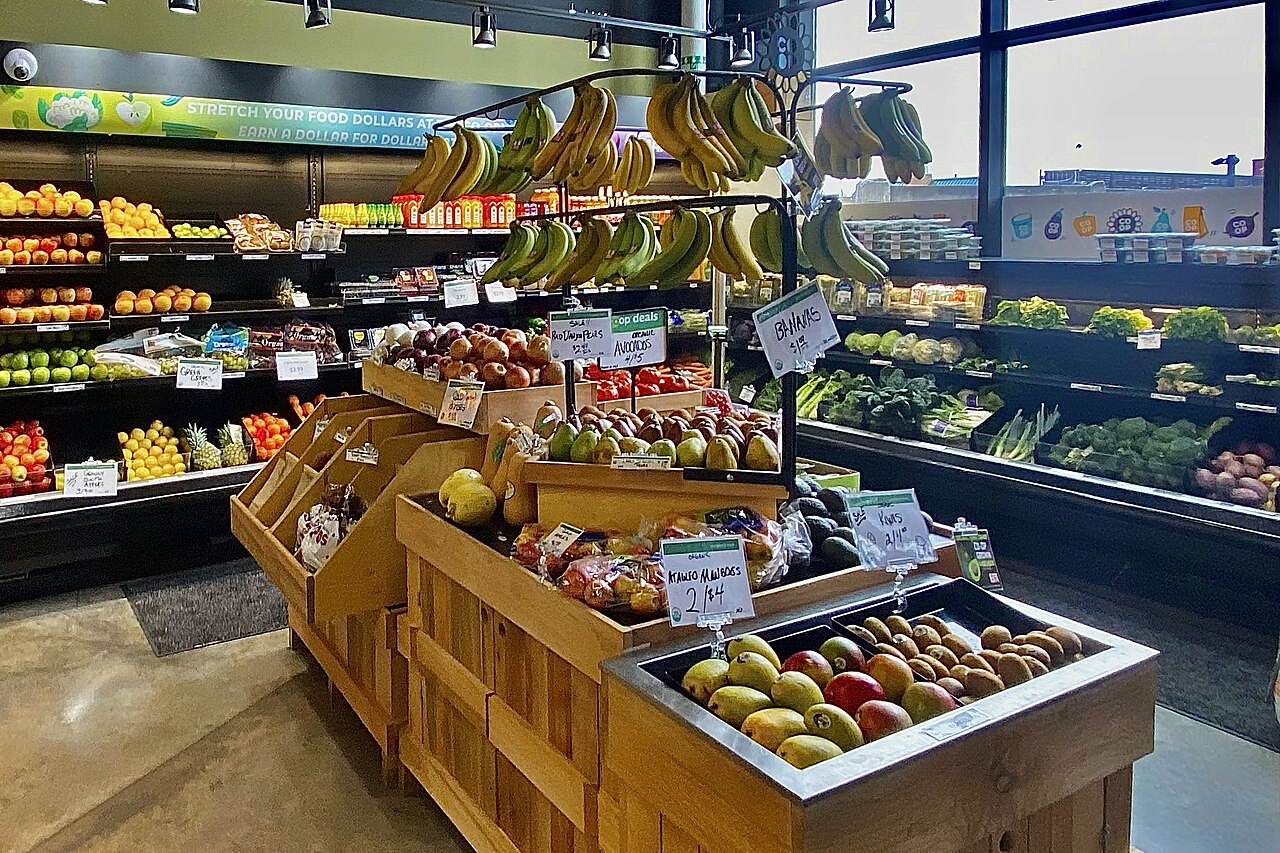
- Add one vegetable at a time. Instead of overhauling every meal, just add a vegetable to whatever you’re already eating.
- Cook at home a little more often. Even one or two extra home-cooked meals a week gives you real control over what goes into your food.
- Keep easy, healthy snacks within reach. Nuts, fruit, or yogurt on the counter beat chips within arm’s reach every time.
- Slow down while you eat. It takes your brain a little while to register that you’re full — eating slower gives it the time to catch up.
The Bottom Line
Healthy nutrition isn’t about chasing perfection or following the latest trend — it’s about building a relationship with food that you can actually keep up for years, not just weeks. Start with one small change, stay consistent, and let the habits build on each other. Your body will thank you for it.
ESPADMAG – A Place to: Mindset Achieve Greatness!
Photo credits: Shixart1985 (CC BY 2.0); PattayaPatrol / Flickr (CC BY-SA 4.0); Andre Carrotflower (CC BY-SA 4.0) — via Wikimedia Commons.
