


Introduction
Biotechnology is, at its core, the practice of using living systems — cells, enzymes, genetic material — as tools rather than just objects of study. Humans have technically practiced a crude version of it for thousands of years through fermenting bread and brewing beer, but modern biotechnology works at a precision that would have seemed like magic even a few decades ago: reading and editing genetic code letter by letter. In this article, we’ll look at what modern biotechnology actually does, how a vaccine gets developed, and where genetic engineering raises questions that go beyond the science itself.
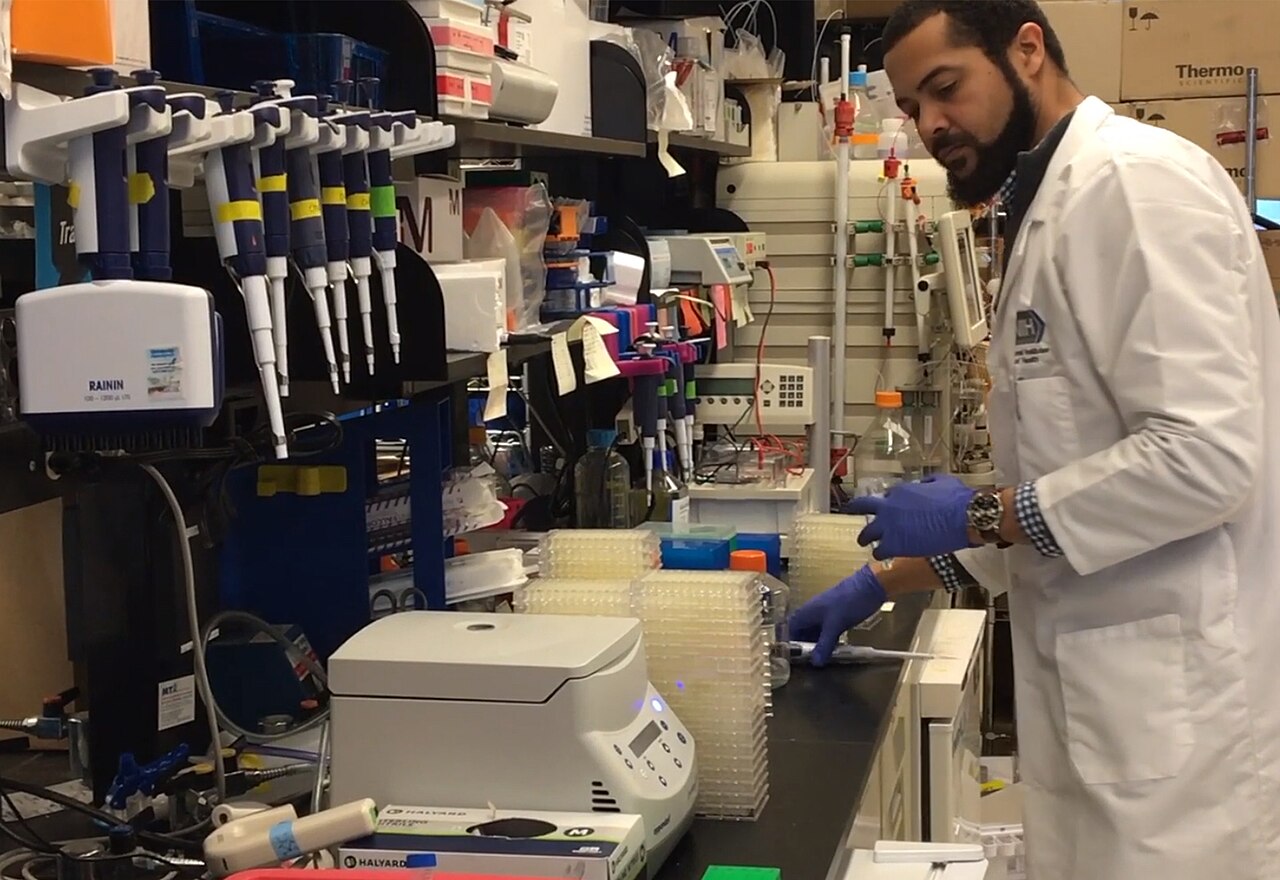
What Modern Biotechnology Actually Does
Today’s biotechnology spans a genuinely wide range: engineering bacteria to produce insulin and other medicines cheaply and at scale, developing crops that resist pests or drought, creating diagnostic tests that detect disease in minutes, and designing therapies that target the exact genetic cause of an illness rather than just its symptoms. The common thread is precision — modern tools let scientists make specific, deliberate changes at the molecular level instead of relying on trial and error.
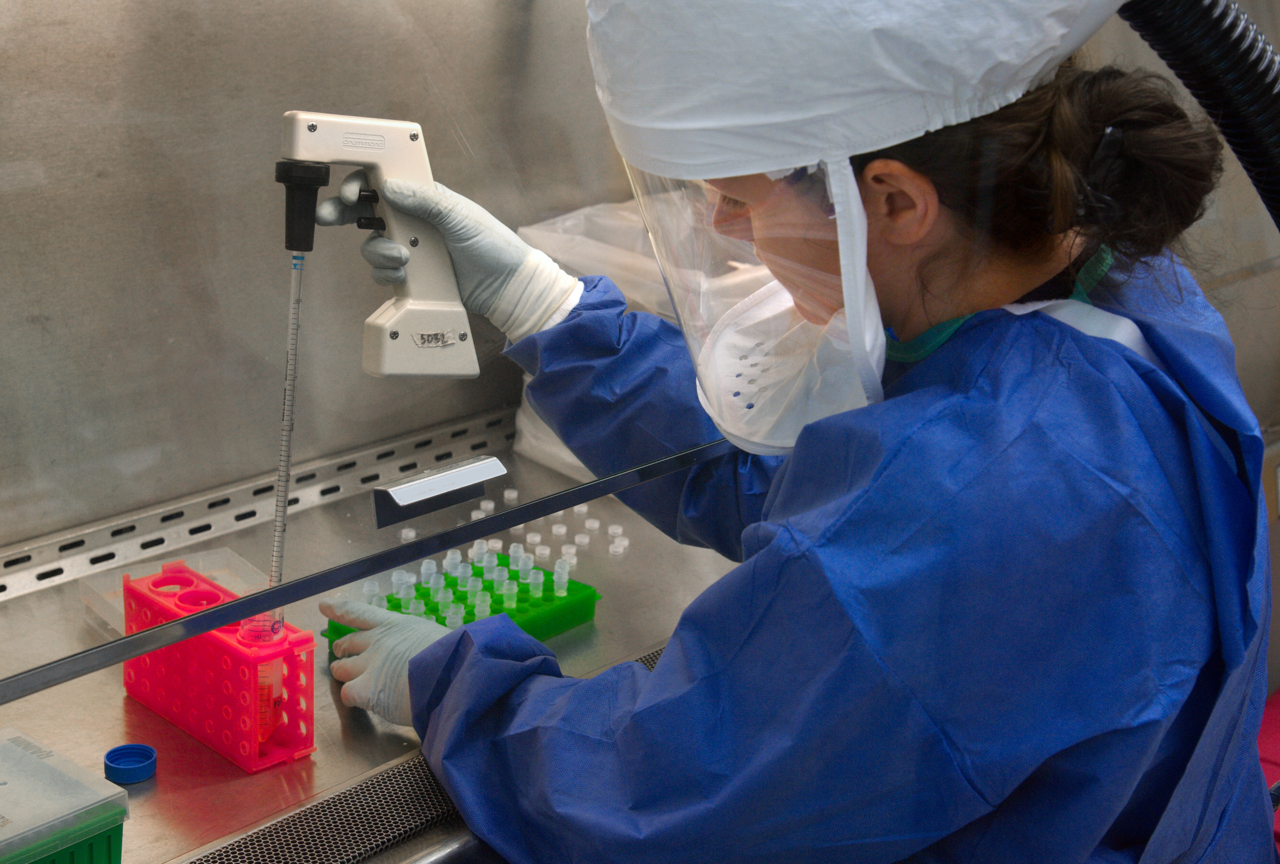
How a Vaccine Actually Gets Developed
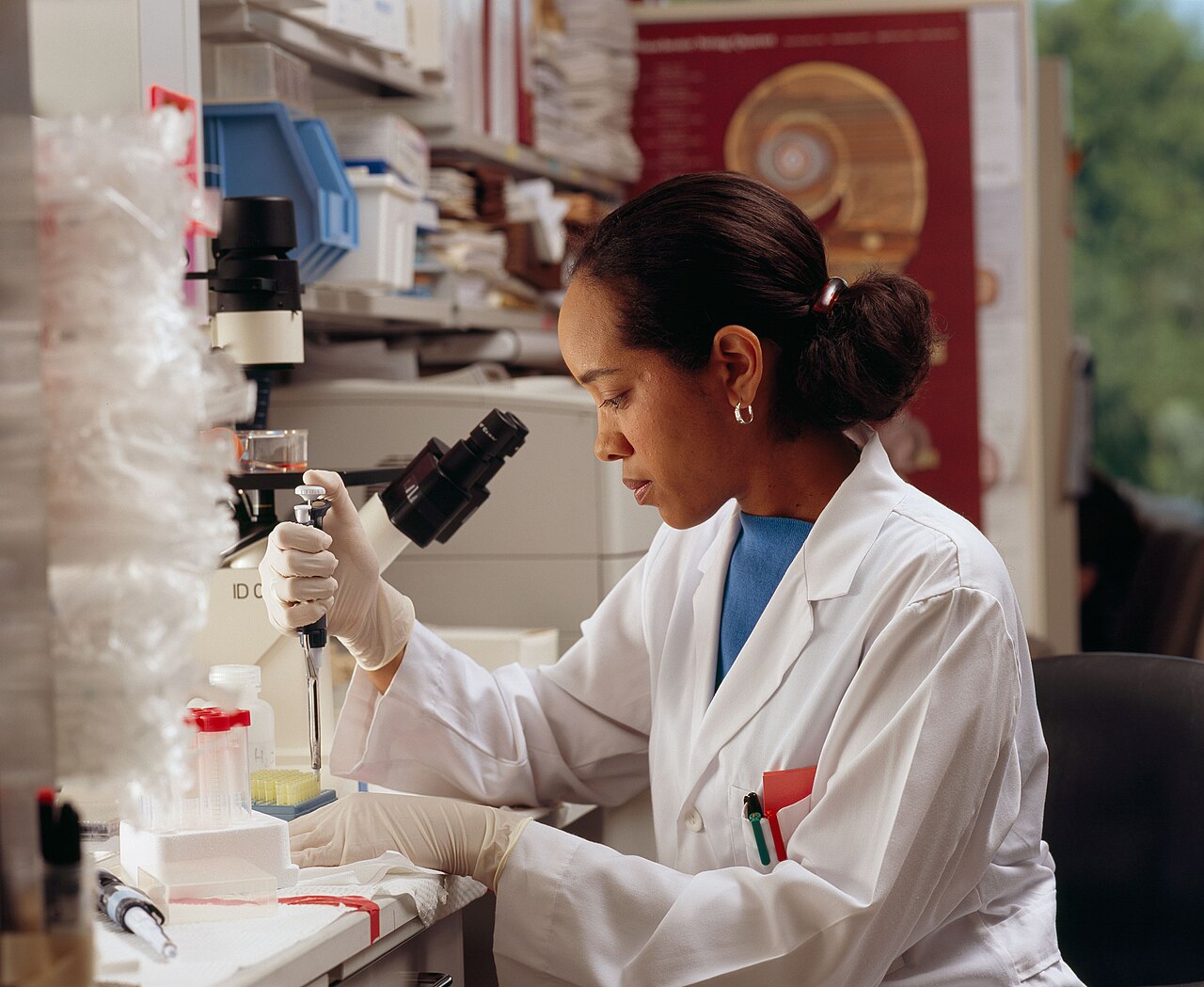
Vaccine development starts with identifying exactly which part of a virus or bacteria triggers a useful immune response, then designing a way to safely show that piece to the immune system without causing the actual disease. Years of painstaking lab work like the microscope-based research shown here — testing, adjusting, testing again — happen before a candidate ever reaches human trials, and even after approval, monitoring continues to catch rare side effects that smaller trials couldn’t detect.
Reading and Editing the Code of Life
DNA, structured as the double helix shown here, is essentially a long molecular instruction manual, and modern gene-editing tools let scientists find a specific sentence in that manual and rewrite it with real precision. This has opened genuinely promising paths for treating inherited diseases at their genetic root rather than just managing symptoms for life — but it has also opened questions society hasn’t fully settled, particularly around edits that could be passed down to future generations rather than affecting only the treated individual.
Questions Beyond the Science
Biotechnology’s biggest debates aren’t really about whether the tools work — they increasingly do — but about who gets access to them, how they’re regulated, and where the line sits between treating disease and altering traits that have nothing to do with illness. Those are genuinely difficult questions without a purely scientific answer, which is exactly why they deserve public understanding rather than being left entirely to specialists.
The Bottom Line
Biotechnology has quietly become the engine behind much of modern medicine, agriculture, and disease response — not through dramatic breakthroughs alone, but through years of exact, patient work turning biological understanding into practical tools. Understanding roughly how it works makes it far easier to separate genuine progress from overhyped claims made in its name.
ESPADMAG – A Place to: Mindset Achieve Greatness!
Photo credits: NIAID / NIH (Public domain); Rhoda Baer (Public domain); ynse (CC BY-SA 2.0); James Gathany / CDC (Public domain) — via Wikimedia Commons.
