


Introduction
Unlike augmented reality, which adds digital elements on top of the real world, virtual reality replaces your surroundings entirely with a fully simulated environment — the moment you put on a headset, the room you’re standing in disappears from view. That total immersion is exactly what makes VR effective for far more than entertainment. In this article, we’ll look at how VR actually tricks your brain into a sense of presence, where it’s already delivering genuine results outside of gaming, and what’s still holding it back from wider everyday use.
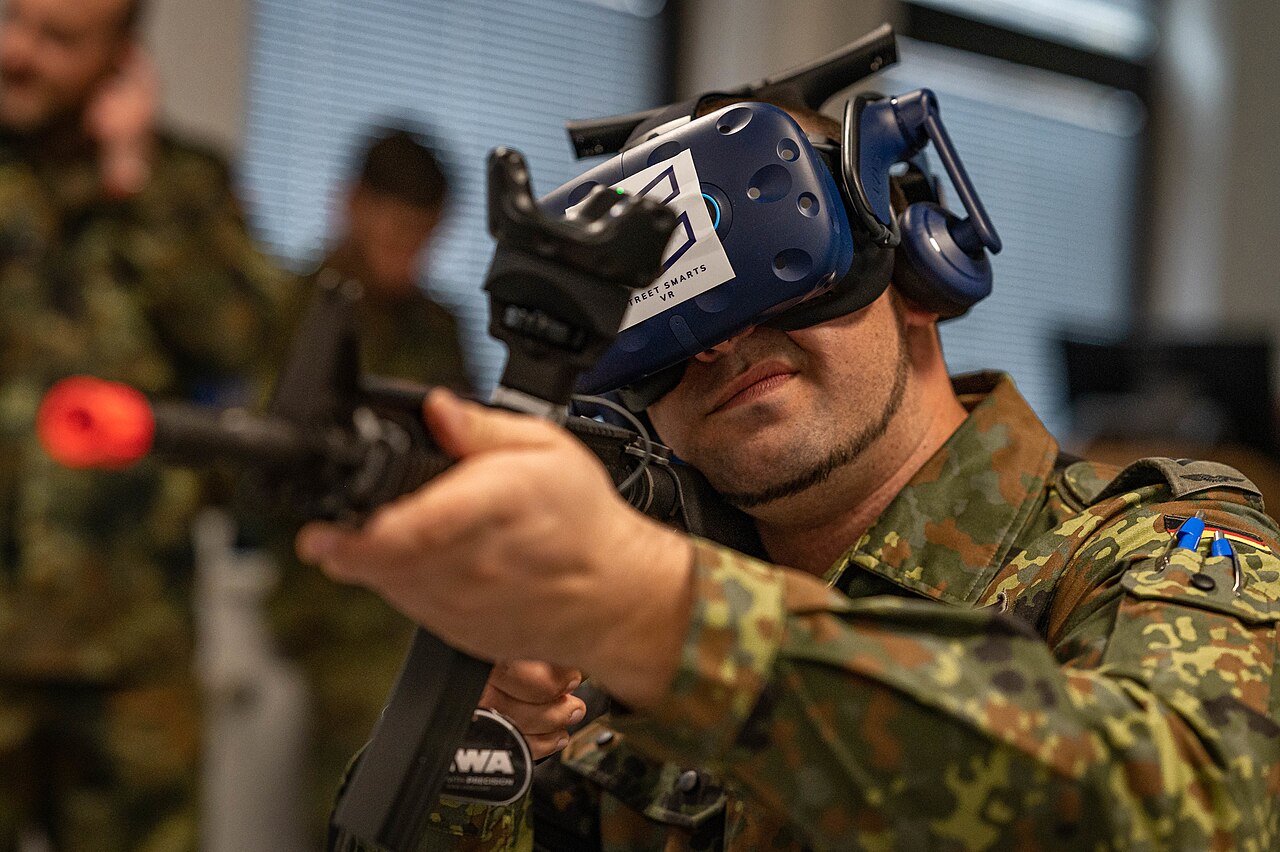
How VR Actually Tricks Your Brain
A VR headset creates a sense of presence — the genuine feeling of being somewhere else — by tracking head and hand movement precisely enough that the virtual world responds exactly the way the real one would. When you turn your head and the scene turns with you at the right speed, your brain increasingly stops distinguishing the simulation from reality at a gut level, even though you know intellectually it isn’t real. That gap between knowing and feeling is exactly what makes VR training and therapy effective.
Training Environments Too Expensive or Dangerous to Recreate
Military and emergency response training increasingly relies on VR for exactly this reason: it lets someone practice a high-stakes scenario — combat situations, disaster response, high-risk equipment operation — repeatedly and safely, without the cost or danger of recreating those conditions physically every time. A mistake in a simulation costs nothing; the same mistake in the real scenario could cost a life.
Where VR Has Moved Into Medicine
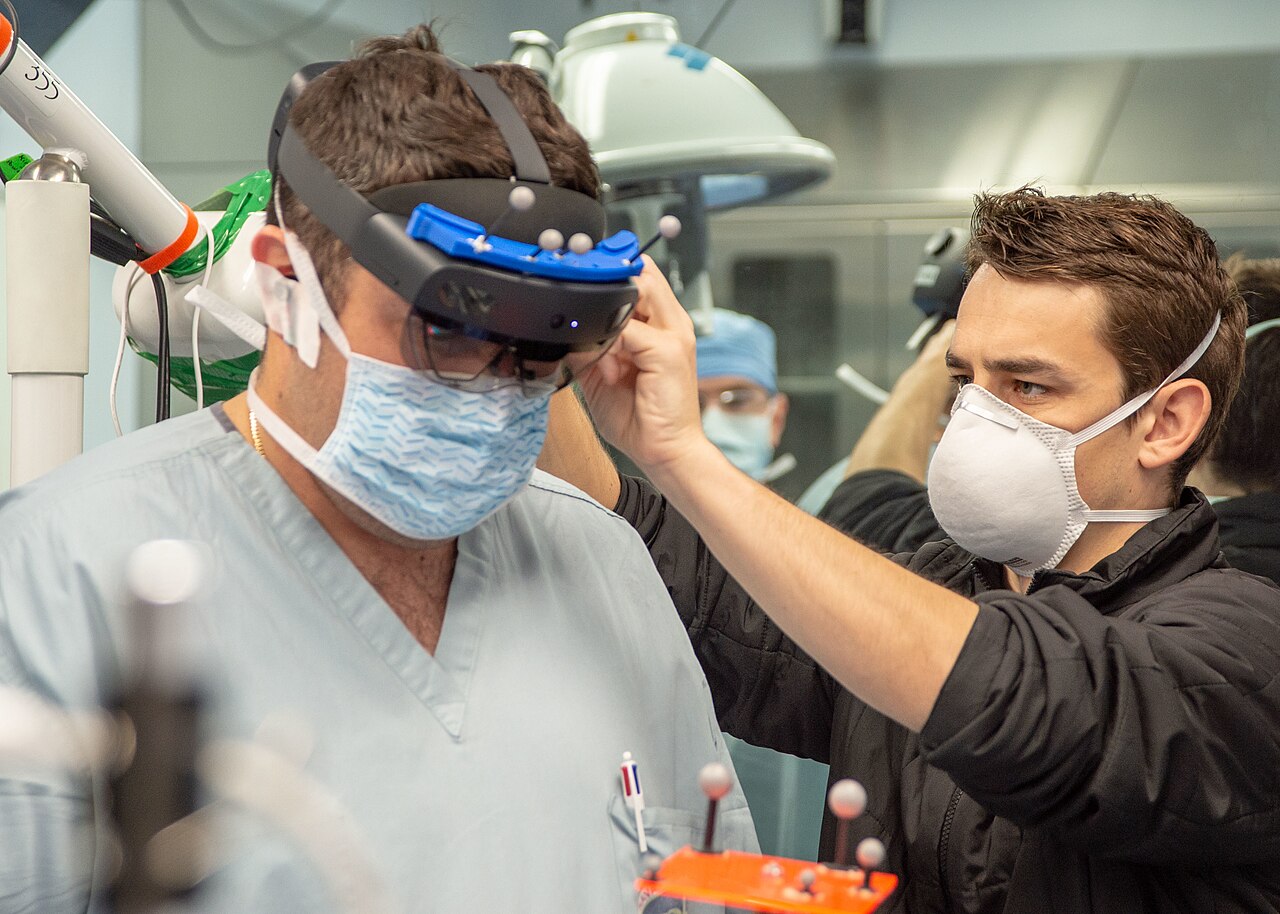
Medical programs like the one shown here use immersive headsets to let surgeons rehearse complex procedures before ever touching a real patient, building muscle memory and spatial understanding in a completely risk-free setting. VR has also shown genuine promise in pain management, exposure therapy for phobias, and physical rehabilitation, where an immersive environment can distract the brain from pain or gently reintroduce someone to a feared situation under controlled conditions.
Where Most People Actually Encounter It

For most consumers, gaming remains the entry point into VR, and for good reason — few other uses demonstrate the sense of presence so immediately and enjoyably. A game that puts you inside the action rather than watching it on a screen is the clearest, fastest way to understand what makes VR fundamentally different from any screen-based entertainment that came before it.
What’s Still Holding It Back
Headsets remain relatively bulky and expensive for casual, everyday use, motion sickness affects a meaningful share of users, and truly compelling, high-quality VR content still takes significant time and money to produce. Each of those barriers has been shrinking steadily, but none has disappeared enough yet to make VR as effortless to pick up as a phone.
The Bottom Line
Virtual reality’s real value isn’t just entertainment — it’s the ability to safely practice, treat, or experience situations too expensive, dangerous, or logistically impossible to recreate in the physical world. As headsets get lighter and cheaper, the technology’s reach outside gaming is likely to keep growing well past where most people currently expect it to stop.
ESPADMAG – A Place to: Mindset Achieve Greatness!
Photo credits: U.S. Air Force photo by Airman 1st Class Edgar Grimaldo (Public domain); U.S. Navy photo by Petty Officer 3rd Class Jacob L. Greenberg (Public domain); Official GDC (CC BY 2.0); SuperJet International (CC BY-SA 2.0) — via Wikimedia Commons.
