


Introduction
People have been making round metal discs to represent value for roughly 2,700 years, and in crypto, the word “coin” deliberately borrows that ancient idea. A cryptocurrency coin is a digital asset that runs on its own independent blockchain and functions primarily as money — a way to store and transfer value. That last part matters, because “coin” gets used loosely in casual conversation to describe things that are technically quite different. In this article, we’ll look at what actually makes a coin a coin, how new coins get created, and why the distinction from a token matters more than it seems.
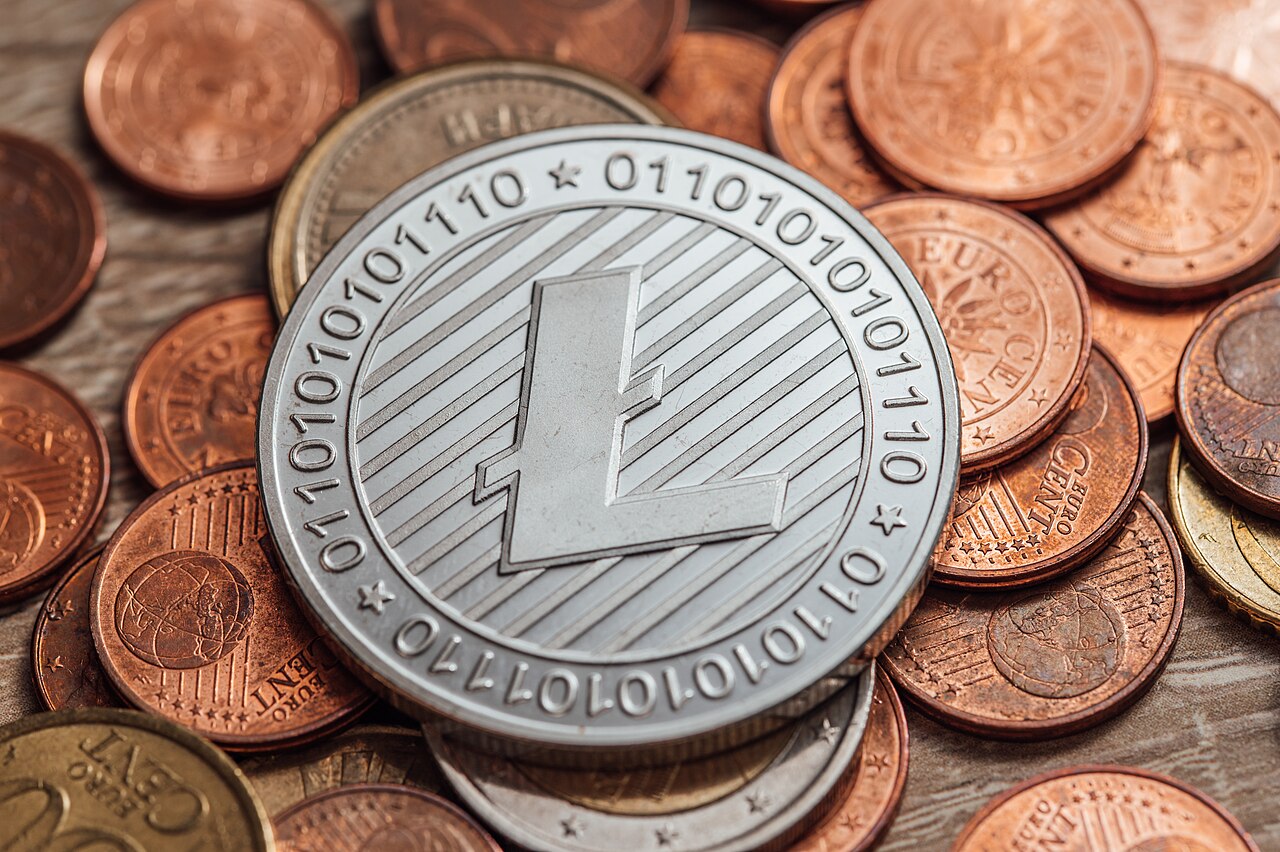
What Actually Makes a Coin a Coin
The defining feature is independence: a coin has its own dedicated blockchain built specifically to record its transactions. Bitcoin runs on the Bitcoin blockchain, Litecoin runs on the Litecoin blockchain — each with its own rules, its own network of computers validating transactions, and its own history of every unit ever moved. That self-contained infrastructure is what separates a coin from assets that simply live on top of someone else’s blockchain.
Coin vs. Token: A Distinction Worth Knowing
This is one of the most commonly confused pairs in the space. A coin has its own blockchain; a token is built on top of an existing one — most commonly Ethereum — using that platform’s rules rather than creating new ones. Practically speaking, launching a token is far easier and faster than launching a genuinely new coin, which is part of why there are vastly more tokens in existence than coins.
How New Coins Actually Get Created
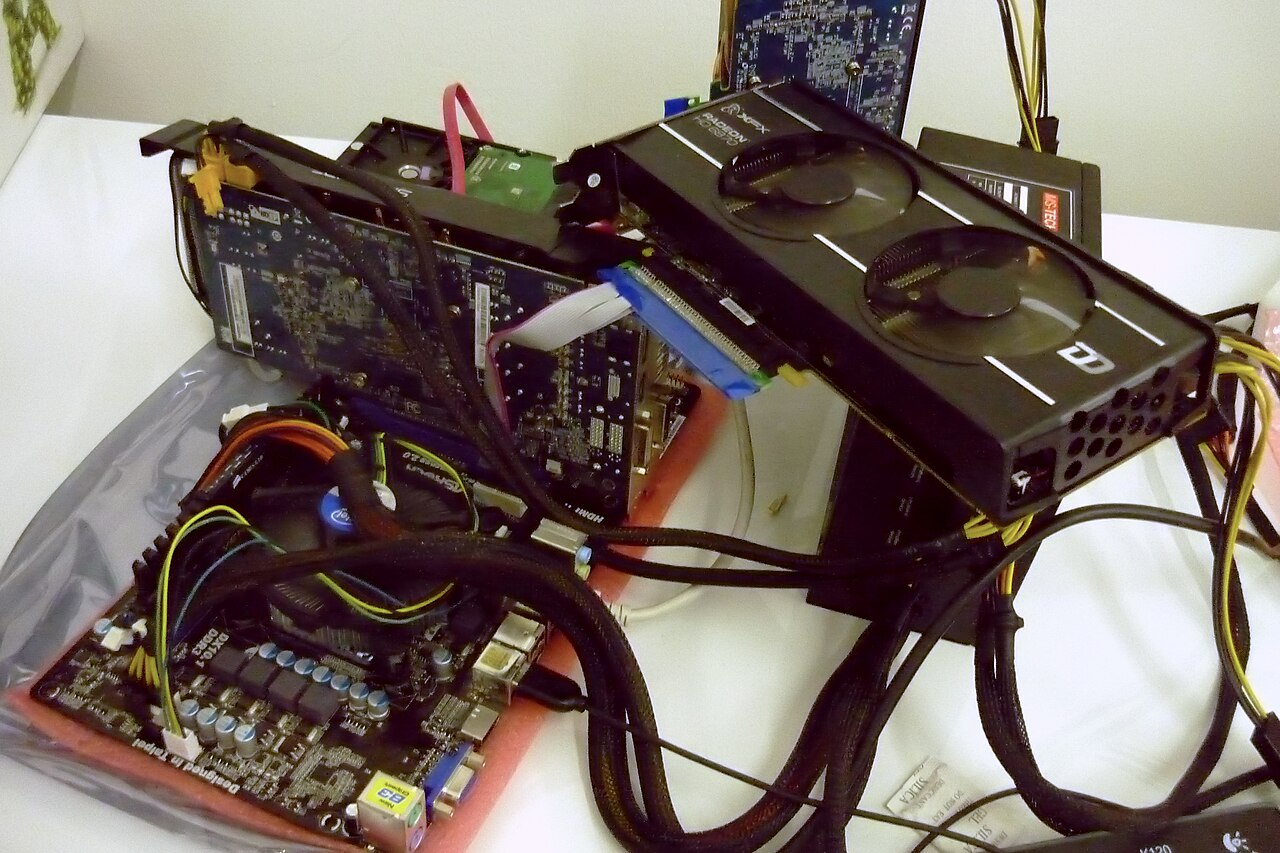
Many coins, including Bitcoin and Litecoin, are created through mining — powerful computer hardware competing to solve mathematical puzzles, with new coins issued as a reward to whoever solves one first. This setup like the one above is a genuine, working piece of the machinery behind coin creation, not a metaphor: real hardware, using real electricity, verifying real transactions. Other coins are created through different mechanisms entirely, but the underlying goal is always the same — issuing new units according to a fixed, transparent set of rules baked into the code.
An Old Idea in New Form
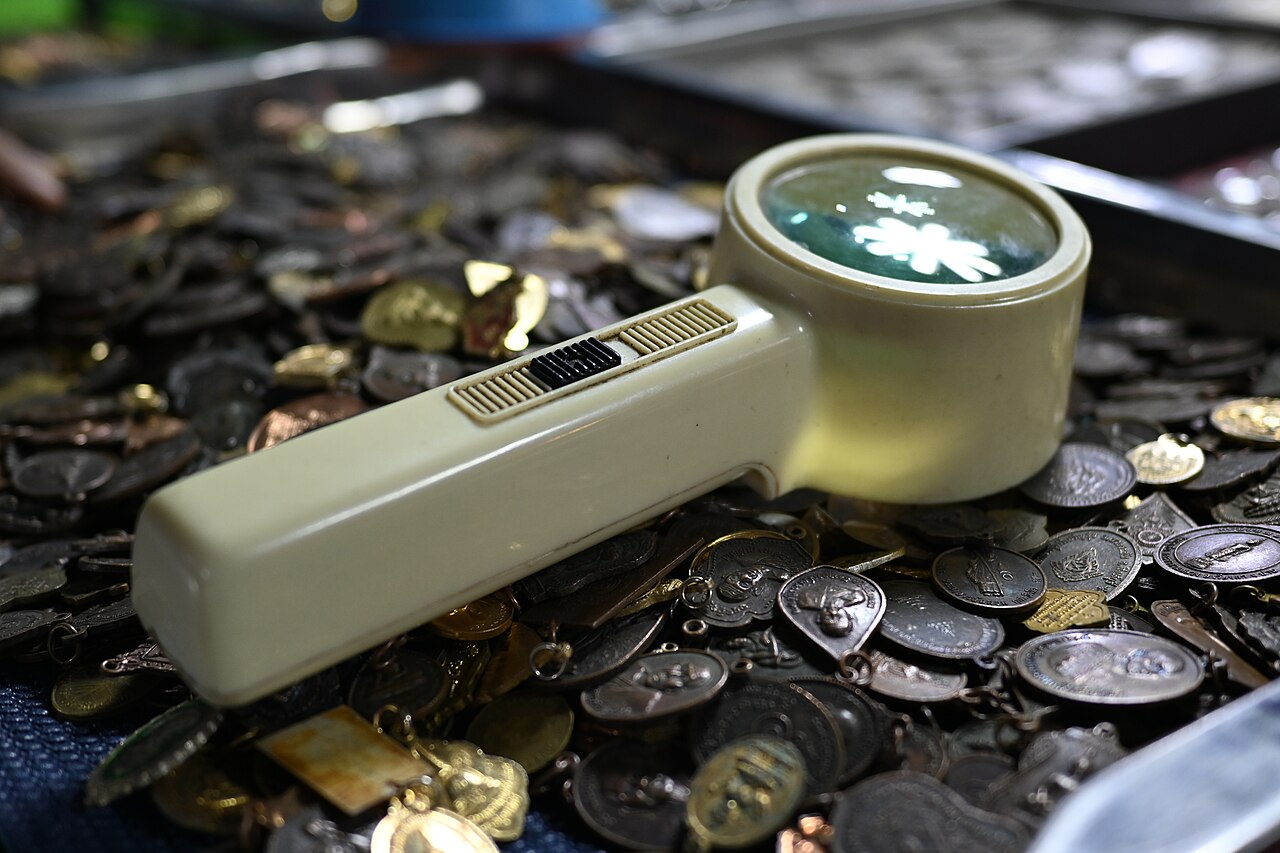
Coins like this ancient Chinese example worked because a community agreed on their value and trusted the authority that issued them. Cryptocurrency coins solve the same fundamental problem — shared, trusted value — without a government or mint behind them, replacing that trust with code, math, and a distributed network. The material changed completely; the basic human agreement underneath it hasn’t.
The Bottom Line
A coin, in the cryptocurrency sense, is defined by its independence — its own blockchain, its own rules, its own creation process. Keeping that distinction from tokens clear makes the rest of the crypto landscape considerably easier to navigate, since so much of the confusion in the space starts with treating every digital asset as interchangeable.
ESPADMAG – A Place to: Mindset Achieve Greatness!
Photo credits: Ivan Radic (CC BY 2.0); Gastev / Mirko Tobias Schaefer (CC BY 2.0); Gary Todd (CC0); PattayaPatrol (CC BY-SA 4.0) — via Wikimedia Commons.
