


Introduction
Technology, in the broadest and most honest sense, is simply the application of knowledge to solve real problems — everything from a stone axe to a smartphone qualifies. What makes the current moment feel different isn’t that technology suddenly started mattering; it’s the pace. Advances that once took generations to spread now reach billions of people within a few years. In this article, we’ll look at what actually drives that accelerating pace, how technology moves from lab to everyday life, and why staying informed about it matters more than it used to.
Why the Pace Keeps Accelerating
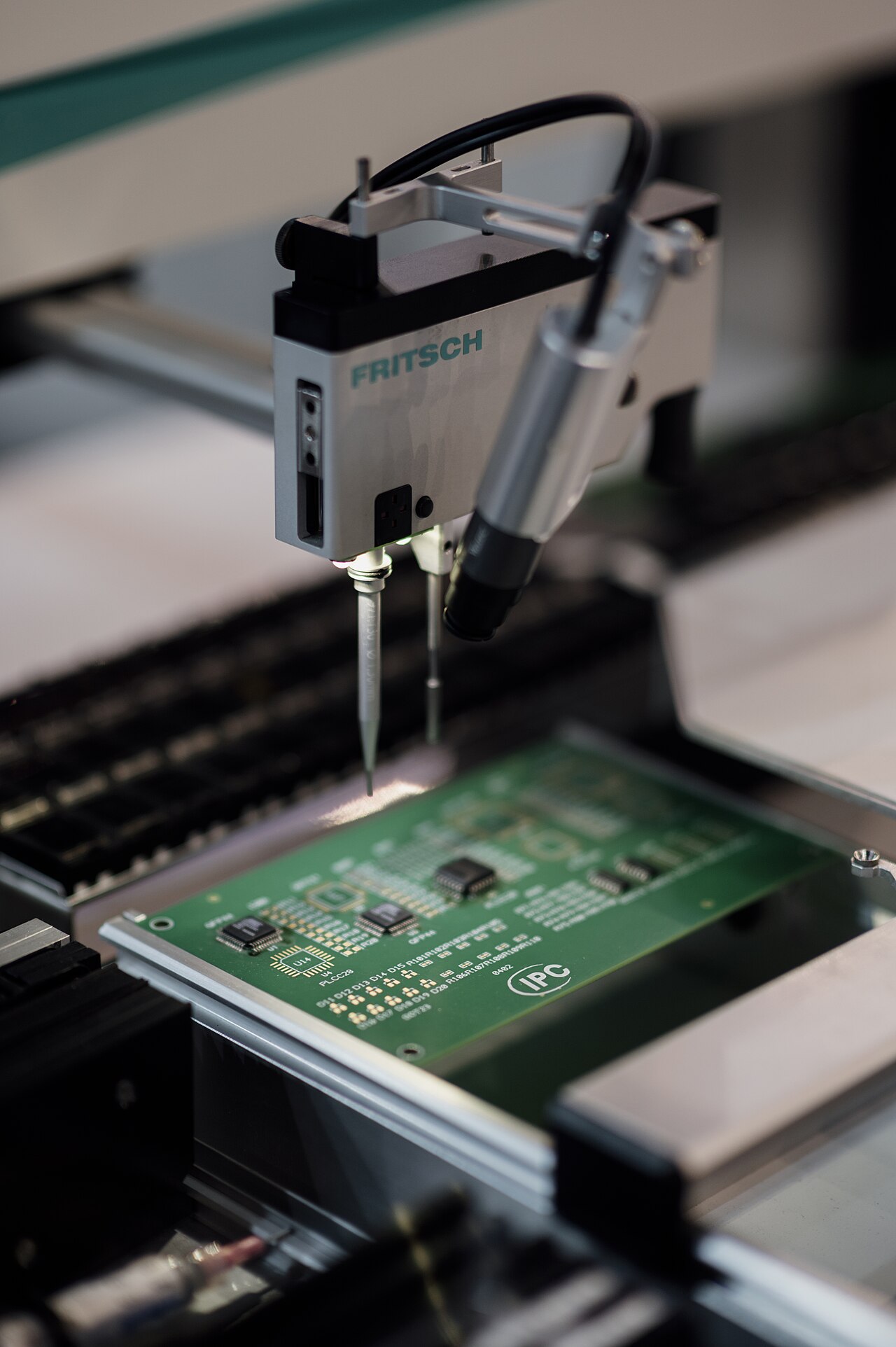
Modern technological progress tends to build on itself in a way older innovation didn’t. Better computing power makes it easier to design the next generation of chips; better manufacturing processes like the automated assembly shown above make components cheaper and more precise; and a more connected world lets researchers everywhere build directly on each other’s work instead of rediscovering it independently. Each advance doesn’t just add to the pile — it makes the next advance faster to reach.
The Infrastructure Nobody Sees
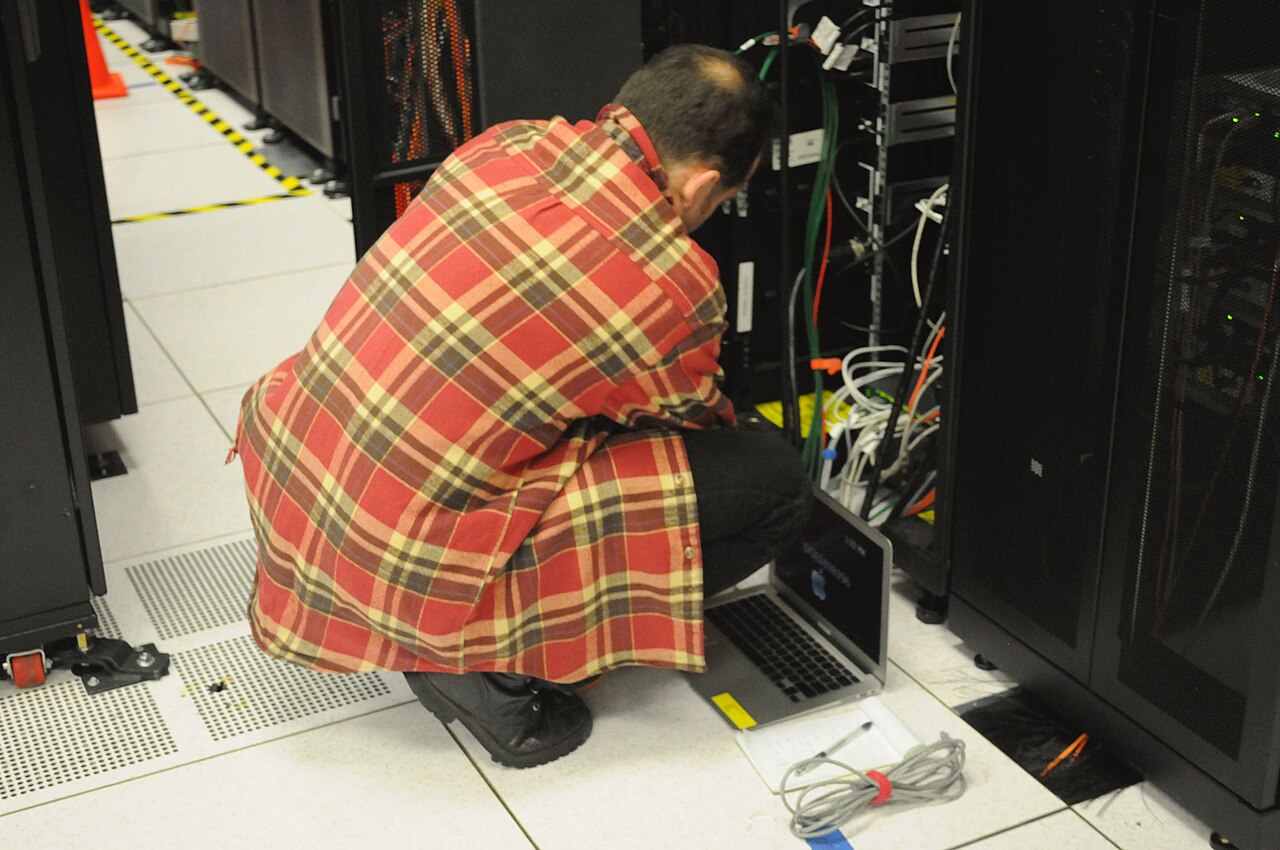
Most consumer technology gets attention for its shiny front end — an app, a device, a headline feature — while the physical infrastructure behind it stays almost entirely invisible. Every search, video call, and cloud-stored photo runs through server rooms like this one, maintained by real people doing real hands-on physical work. It’s worth remembering that even the most abstract-feeling digital technology ultimately depends on something tangible, humming away in a building somewhere.
From Lab to Everyday Life
New technology rarely arrives fully formed in consumers’ hands. It typically moves through a predictable path: research, expensive early prototypes accessible only to specialists, gradual cost reduction through manufacturing improvements, and finally mainstream adoption once it’s cheap and simple enough for ordinary use. The laptop, the smartphone, and the internet itself all followed roughly this arc — expensive and niche for years before becoming something nearly everyone carries or uses daily.
Why Staying Informed Actually Matters
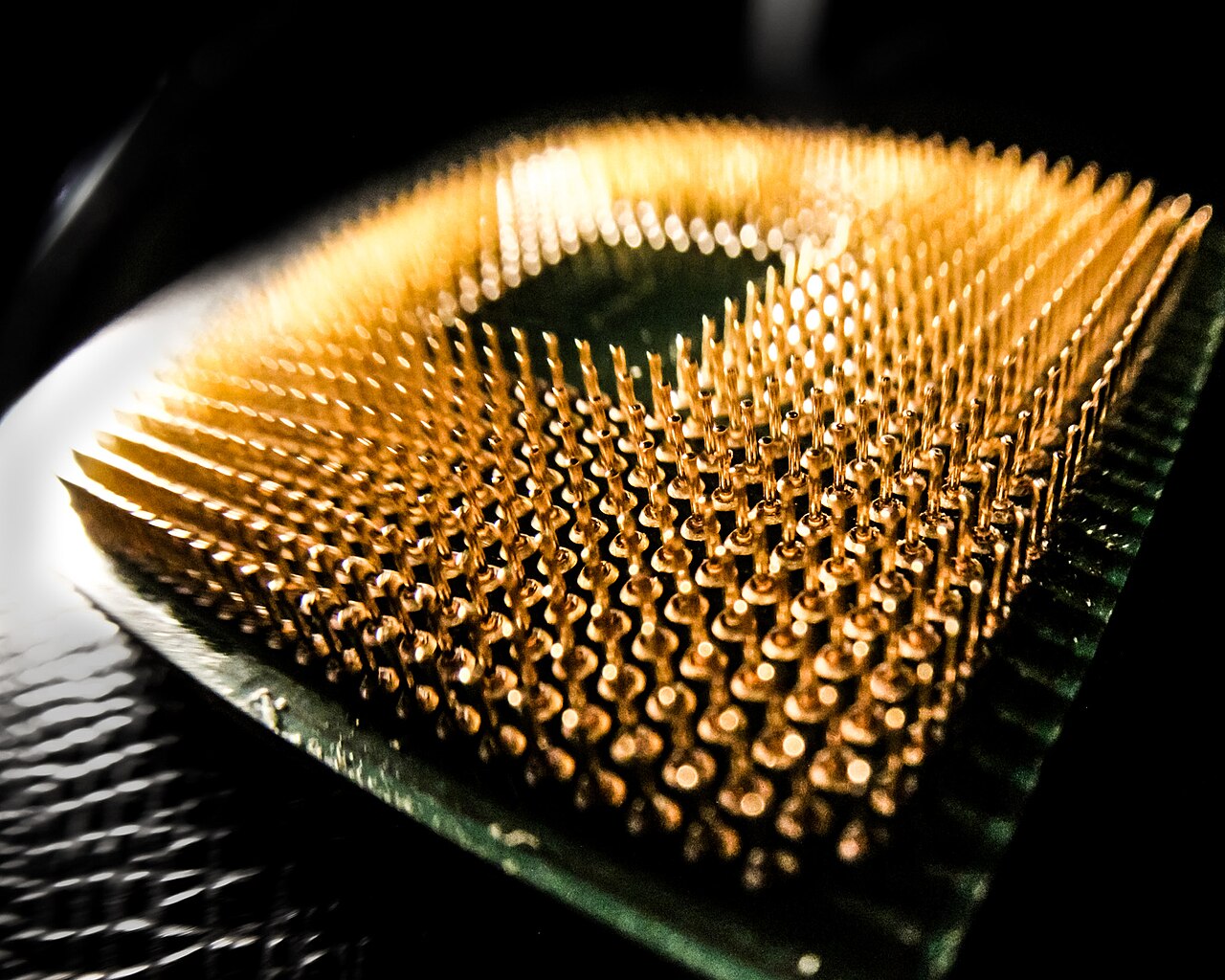
Technology now shapes decisions that used to be entirely human — hiring, healthcare, finance, communication. Understanding it well enough to ask good questions doesn’t require becoming an engineer; it just requires enough grounding to tell genuine progress from hype, and to notice when a new tool is actually solving a problem versus just creating new ones. That kind of basic literacy has quietly become as practical a life skill as reading a contract or managing a budget.
The Bottom Line
Technology isn’t a separate world running alongside ordinary life anymore — it’s woven directly into how most people work, connect, and make decisions. Understanding it doesn’t require chasing every headline; it requires a working sense of how ideas move from research to reality, and the judgment to tell which advances are actually worth paying attention to.
ESPADMAG – A Place to: Mindset Achieve Greatness!
Photo credits: Shixart1985 (CC BY 2.0); Derrick Coetzee (CC0); Bench Accounting (CC0); Justin Mathews (CC BY 3.0) — via Wikimedia Commons.
