


Introduction
Artificial intelligence gets described as if it’s one single thing, but it’s really an umbrella covering very different techniques that all aim at the same broad goal: getting machines to perform tasks that normally require human judgment — recognizing images, understanding language, making predictions, or navigating a physical space. None of it involves actual understanding the way a human experiences it, no matter how convincing the output looks. In this article, we’ll look at what’s actually happening behind an AI system’s decisions, where the technology already works remarkably well, and where the gap between appearance and reality still matters most.
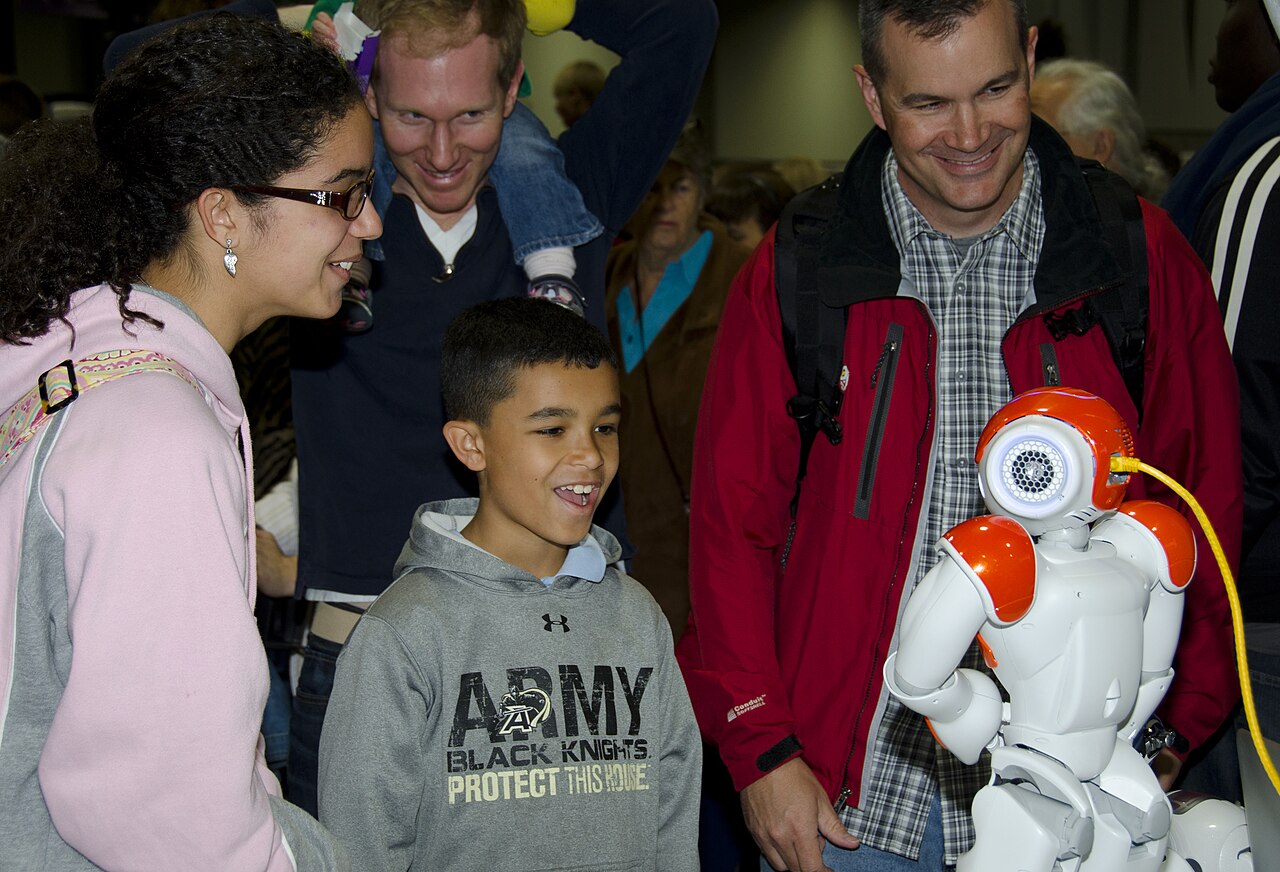
What’s Actually Happening Under the Hood
Most modern AI runs on machine learning — systems trained on enormous amounts of example data until they get statistically good at recognizing patterns and predicting what comes next. A language model doesn’t “know” facts the way a person does; it’s calculating which words are most statistically likely to follow the previous ones, based on patterns absorbed from its training data. That’s why AI can sound confidently fluent while still being factually wrong — fluency and accuracy are two entirely different things to a system built this way.
Where It Already Works Remarkably Well
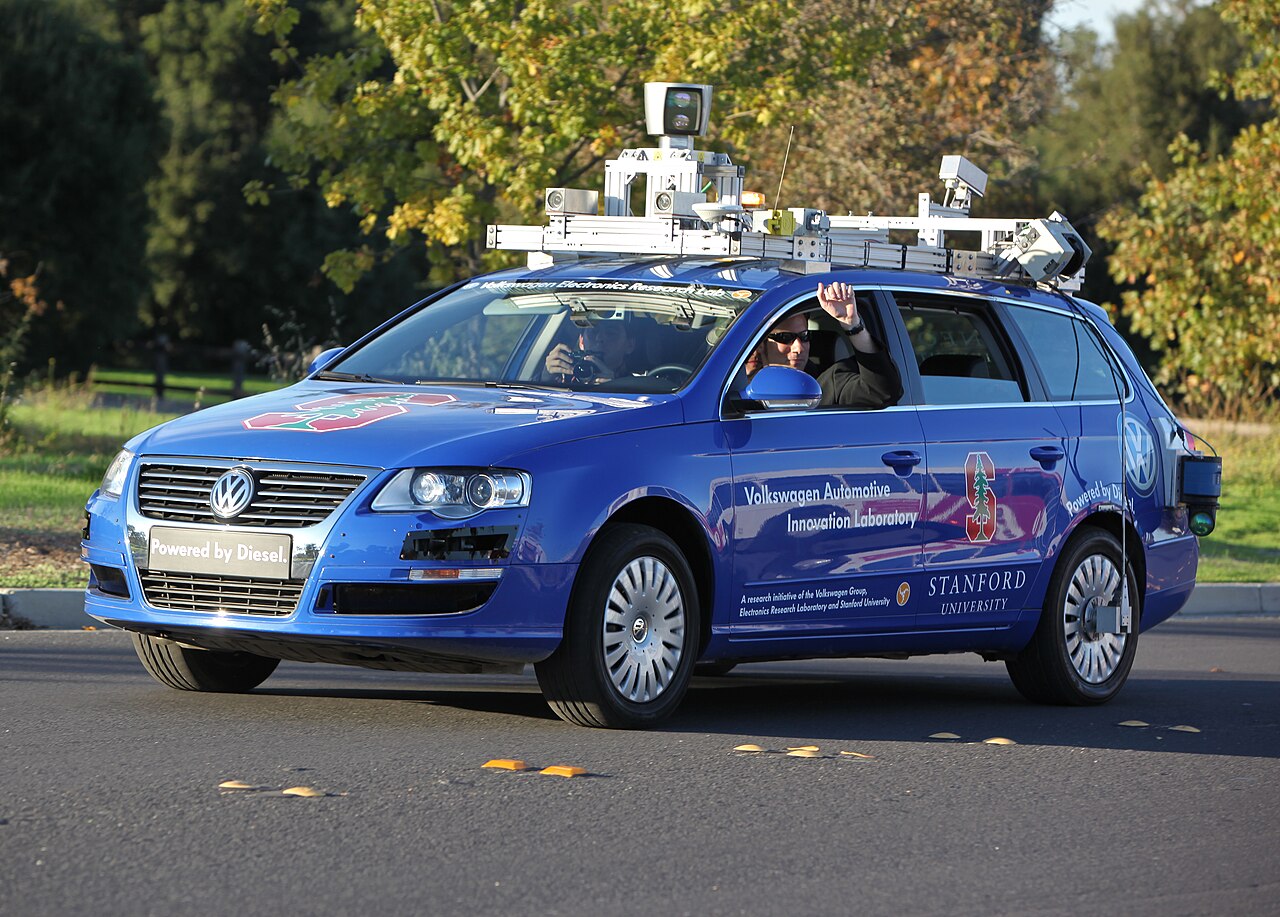
AI genuinely excels at narrow, well-defined tasks with lots of available training data: detecting patterns in medical scans, translating between languages, recommending content, and processing sensor data fast enough to help a car like this experimental research vehicle react to its surroundings in real time. These are tasks with clear, measurable success criteria — exactly the conditions machine learning thrives under.
Where AI Has Quietly Entered Daily Life
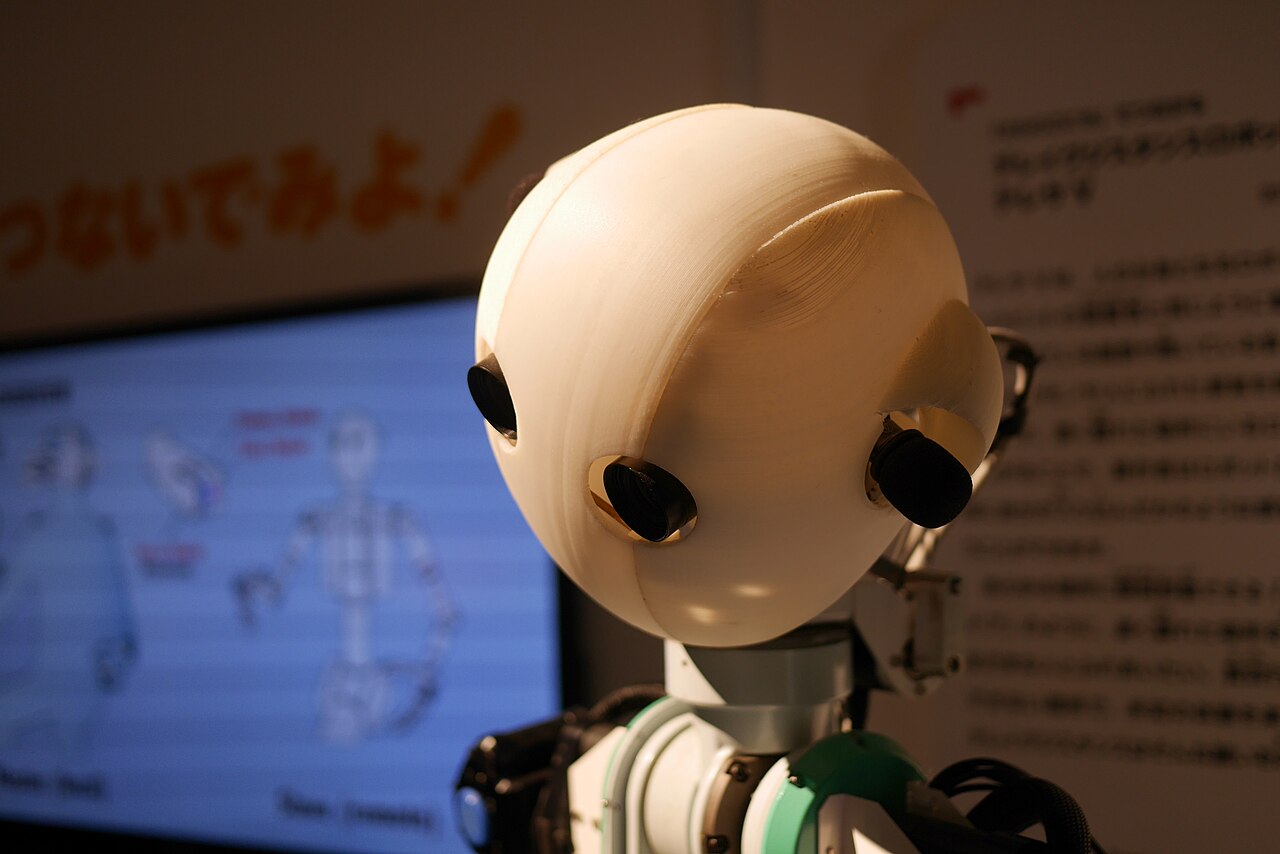
Devices like this one process natural speech, interpret intent, and respond appropriately dozens of times a day in ordinary households — a task that would have counted as cutting-edge AI research not too long ago, now taken for granted as a household convenience. Voice assistants, spam filters, autocorrect, and recommendation feeds are all AI, just AI that stopped being labeled that way once it became routine.
Where the Gap Between Appearance and Reality Still Matters
The real risk with modern AI isn’t that it’s secretly conscious — it’s that its confident, fluent output makes errors and biases genuinely hard to spot. A system trained on biased data reproduces that bias convincingly. A language model can state something false with exactly the same tone it uses for something true. Knowing that an AI’s output reflects patterns in training data, not verified truth, is the single most useful piece of mental armor for using these tools well.
The Bottom Line
Artificial intelligence is genuinely powerful at specific, well-defined tasks, and genuinely limited by the fact that it’s pattern-matching rather than understanding. Treating its output as a strong first draft worth checking, rather than a verified answer, is the difference between using AI well and being quietly misled by it.
ESPADMAG – A Place to: Mindset Achieve Greatness!
Photo credits: National Science Foundation (Public domain); Steve Jurvetson (CC BY 2.0); Smart Home Perfected (CC BY 2.0); Franklin Heijnen (CC BY-SA 2.0) — via Wikimedia Commons.
