


Introduction
A regular computer, no matter how powerful, ultimately does one thing: flip billions of switches — bits — that are each either a 0 or a 1. A quantum computer works on a genuinely different physical principle, using quantum bits, or qubits, that can exist in a mix of both states at once. That’s not a marketing exaggeration; it’s the actual, strange behavior of particles at very small scales, and it’s what gives quantum computers the potential to solve certain problems that would take a classical computer longer than the age of the universe. In this article, we’ll look at what a qubit actually is, why quantum computers aren’t simply “faster” computers, and where the technology genuinely stands today.
What a Qubit Actually Is
A classical bit is always definitely 0 or definitely 1. A qubit, thanks to a quantum property called superposition, can be in a combination of both until it’s actually measured. Combine multiple qubits, and thanks to another property called entanglement — where qubits become linked so that measuring one instantly affects the others — the number of states a quantum computer can represent grows exponentially with each additional qubit, rather than just adding up one at a time the way classical bits do.
Why “Faster” Isn’t the Right Word
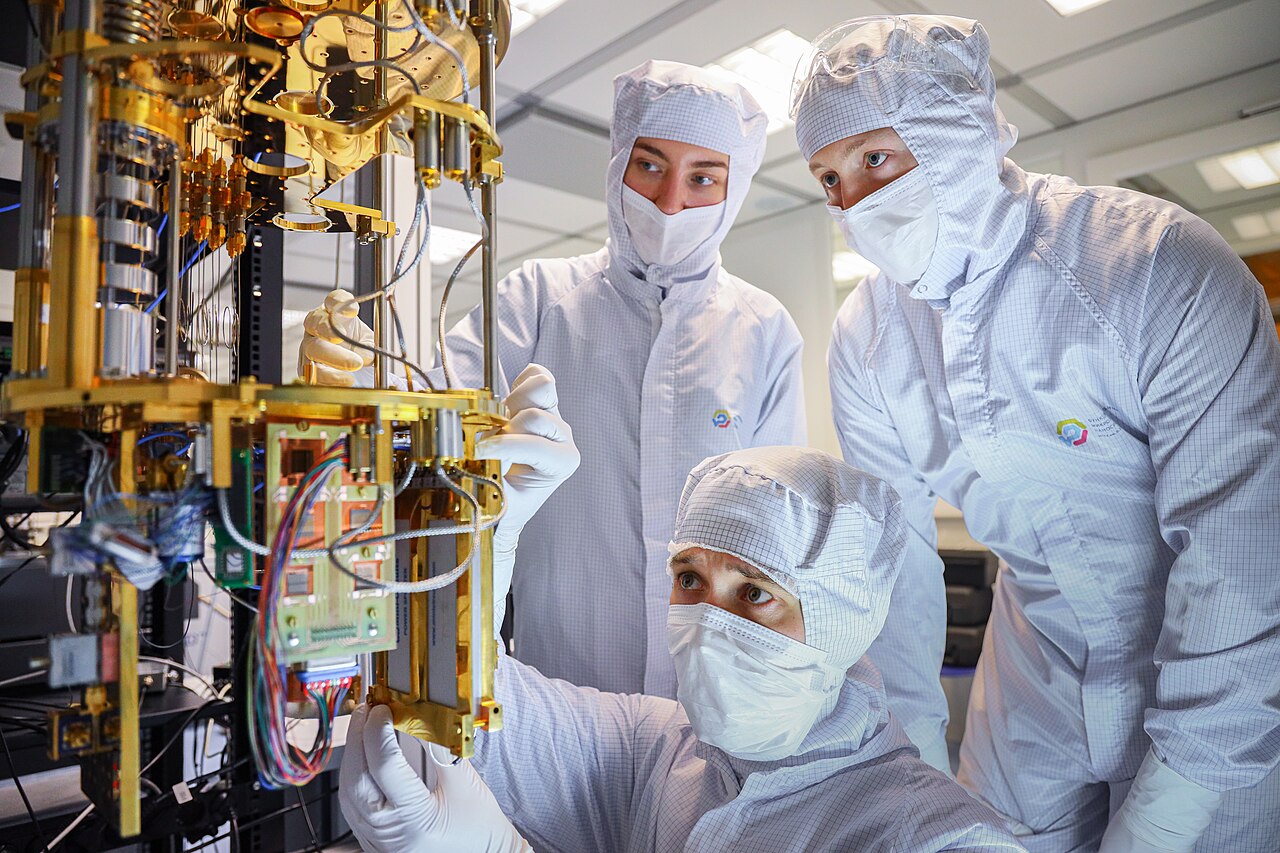
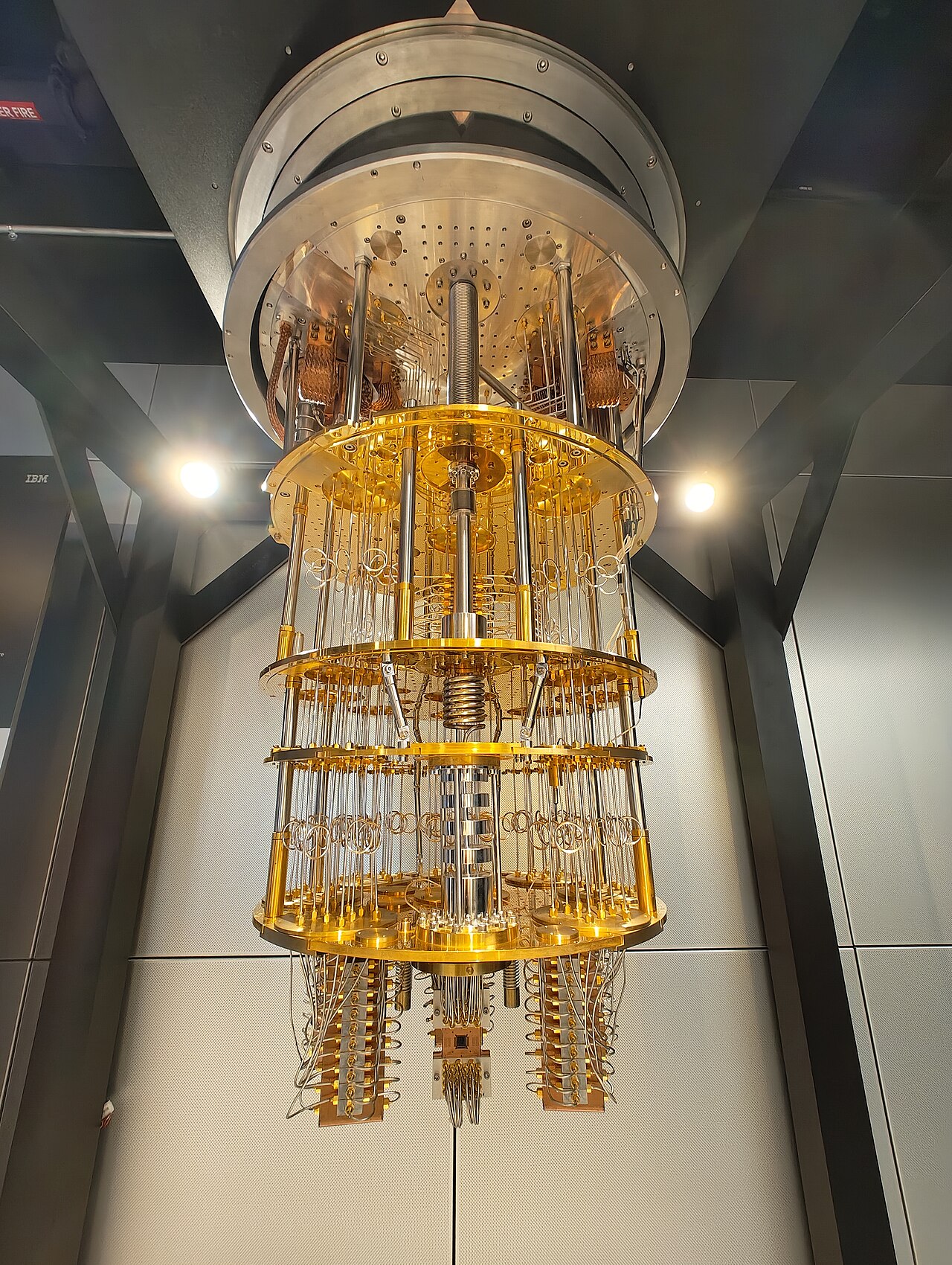
A quantum computer wouldn’t load a webpage or run a spreadsheet any better than an ordinary laptop — for most everyday tasks, it isn’t the right tool at all. Its real advantage shows up in a narrow category of problems with a very specific mathematical structure: simulating molecules for drug discovery, optimizing extremely complex logistics, and breaking certain types of encryption. Equipment like the setup shown here, kept at temperatures colder than deep space to keep qubits stable, exists entirely to work on that narrow but genuinely important category of problems.
Why Qubits Are So Fragile
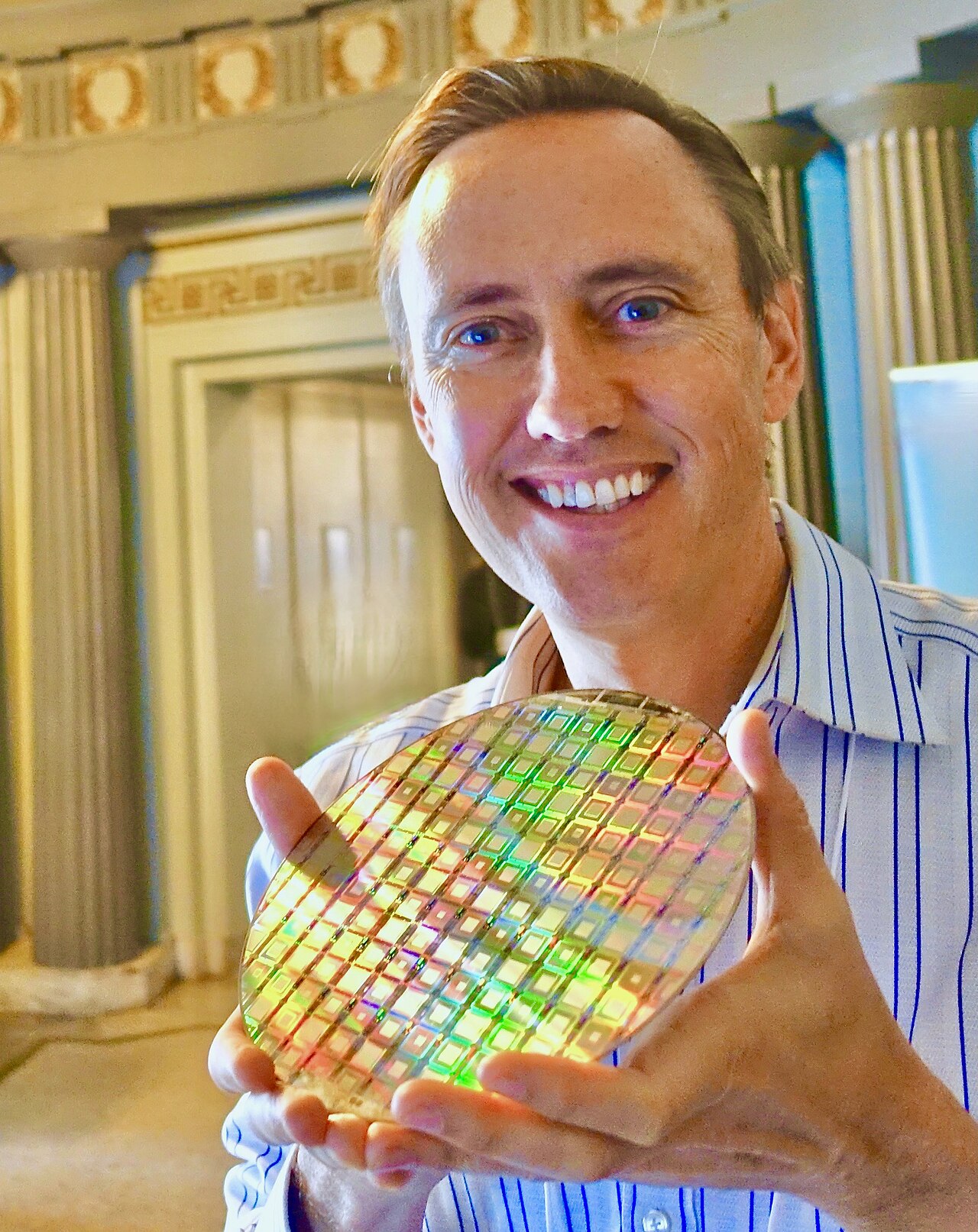
Superposition is delicate — the smallest vibration, stray electromagnetic signal, or slight temperature change can collapse a qubit’s state and introduce errors, a problem researchers call decoherence. Chips like the one shown in this microscope image have to be manufactured with extraordinary precision and operated in near-total isolation from the outside world just to keep qubits usable for fractions of a second. Building enough error correction to make quantum computers reliable at scale remains one of the field’s biggest unsolved engineering challenges.
Where the Technology Genuinely Stands
Today’s quantum computers are real, working machines — not just theoretical concepts — but they remain limited to a small number of usable qubits and short operating windows before errors accumulate. Genuinely practical, large-scale quantum computers that outperform classical ones on real-world problems are still likely years away, even as research progress continues steadily.
The Bottom Line
Quantum computing isn’t a faster version of the computer on your desk — it’s a fundamentally different way of processing information, suited to a narrow but genuinely important set of problems classical computers struggle with. Understanding that distinction is the difference between realistic excitement about the technology and confusion about what it will actually change.
ESPADMAG – A Place to: Mindset Achieve Greatness!
Photo credits: Steve Jurvetson (CC BY 2.0); FMNLab (CC BY 4.0); FMNLab (CC BY 4.0); OJB Quantum (CC BY 4.0) — via Wikimedia Commons.
